PS6: The "No Disc No Buy" Movement - A Misguided Fight?
The "No Disc No Buy" movement is based on a simple, understandable idea: no disc, no purchase. Behind this slogan lie legitimate concerns about preserving games, lending them, reselling them, or continuing to use them for years without complete reliance on a manufacturer, publisher, or server. The disc is not an inherent right; it's a medium that currently enables certain rights that the digital realm doesn't yet guarantee.
This is precisely where our analysis diverges. The disc is not the end goal; it's a method of distributing a game. More importantly, it's a method that currently offers consumers freedoms largely eliminated by the digital model. When we purchase a physical copy, we can typically keep it, lend it, give it away, or resell it.
However, it's crucial to clarify the concept of ownership. Buying a game, whether physical or digital, does not mean becoming the owner of the work itself. We acquire neither its source code, nor its characters, music, or associated copyrights. We acquire a copy and the right to use it under the conditions set by law and license.
The essential difference lies elsewhere. In France, a physical copy can be resold thanks to the principle of the exhaustion of distribution rights. For a downloaded game, current jurisprudence does not recognize the same right. In October 2024, the Court of Cassation confirmed in the case between UFC-Que Choisir and Valve the impossibility of reselling a dematerialized game license under current conditions. In other words, the transition from disc to download not only changes how we receive the game but also the rights we possess after the purchase. It is this imbalance that must be fought!
Wanting to prevent the complete disappearance of physical media seems all the more difficult as the evolution of other cultural industries shows the direction user habits are taking. CDs, DVDs, and Blu-rays still exist, but they are no longer the primary means of accessing music or video for a large segment of the public. We have gained convenience at the cost of some control. A series can be watched on multiple devices without changing discs every few hours. An entire music library can accompany its user in a car, train, or on a phone. Even audiophiles now have services offering lossless formats.
It seems unrealistic to imagine that video games can permanently remain outside this evolution. This doesn't mean we should wish for the disappearance of physical copies, let alone prevent publishers who wish to continue offering boxed editions. Physical media could perfectly retain a market for collectors and enthusiasts, much like vinyl has done in music. However, dedicating all players' energy to maintaining the disc might mean defending the means rather than the objective.
Two recent cases precisely illustrate why:
On Nintendo Switch, Aliens: Fireteam Elite was released exclusively as a cloud gaming version. Launched in April 2023 on the console, the game ran on remote servers and was transmitted to the player via streaming. It was sold as an individual product, with a standard edition for $29.99 and an Ultimate edition up to $59.99. The servers were shut down on August 5, 2026. Since that date, those who purchased this version can no longer use it. The developer had warned of the shutdown a few months prior, but no general refund campaign was announced. A nuance must be immediately applied: Aliens: Fireteam Elite is a special case, as it was a game entirely executed in the cloud. It would be incorrect to use this example to claim that all dematerialized games can disappear in the same way. However, it shows how far dependence on a remote infrastructure can go. Players had paid. Their consoles still work. Their accounts still exist. But the service necessary to use their license has disappeared. What truly remains of their purchase?
The case of The Crew had already raised the same question in a different form. Ubisoft announced in December 2023 that its servers would shut down on March 31, 2024, rendering the game inaccessible on all platforms, even for its owners. A few weeks later, players also reported that their licenses had been removed from their main Ubisoft Connect library and moved to inactive games. This, in our opinion, is the real warning. The problem wasn't simply the absence of a disc. The problem is that a player who has paid for a license can find themselves completely unable to use it because an infrastructure controlled by a third party has been shut down. And it is precisely for this reason that the fight must now shift its focus.
Fresh materials — Gaming News
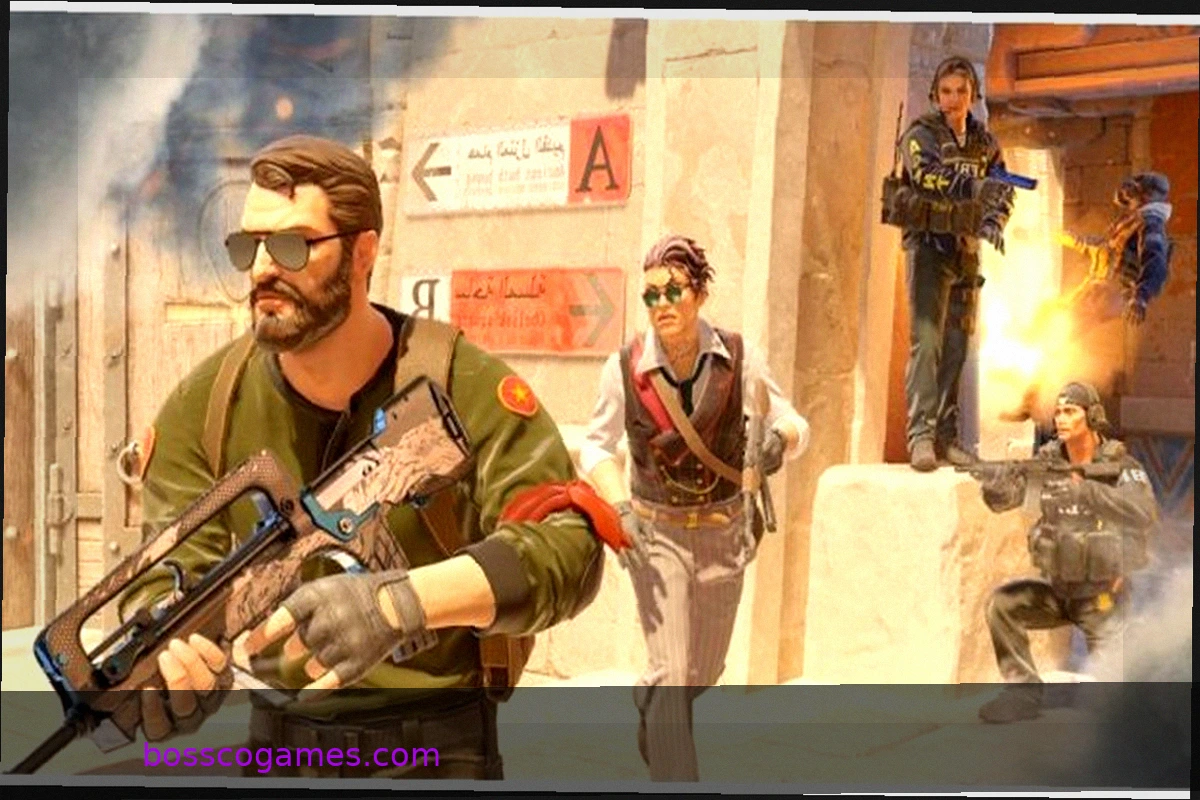
1win CS2 Team Earns $100,000 Bonus After Upsetting Team Spirit
The 1win Counter-Strike 2 team defeated top-ranked Team Spirit 2-0. This win secured 1win a playoff berth at Spodek Arena and earned them a $100,000 bonus from the 1win owner for the significant achievement. This victory caps a strong group stage performance for 1win. After an

Lanterns Finale: Hal Jordan's Comic Return Path Remains Open
The Green Lanterns series finale concluded with Hal Jordan still dead, his bullet-riddled body frozen on a high school football field. Even the Hal-o-Gram, which allowed him to interact with John Stewart, vanished. However, despite the show's departure from the comics and Hal's definitive end i
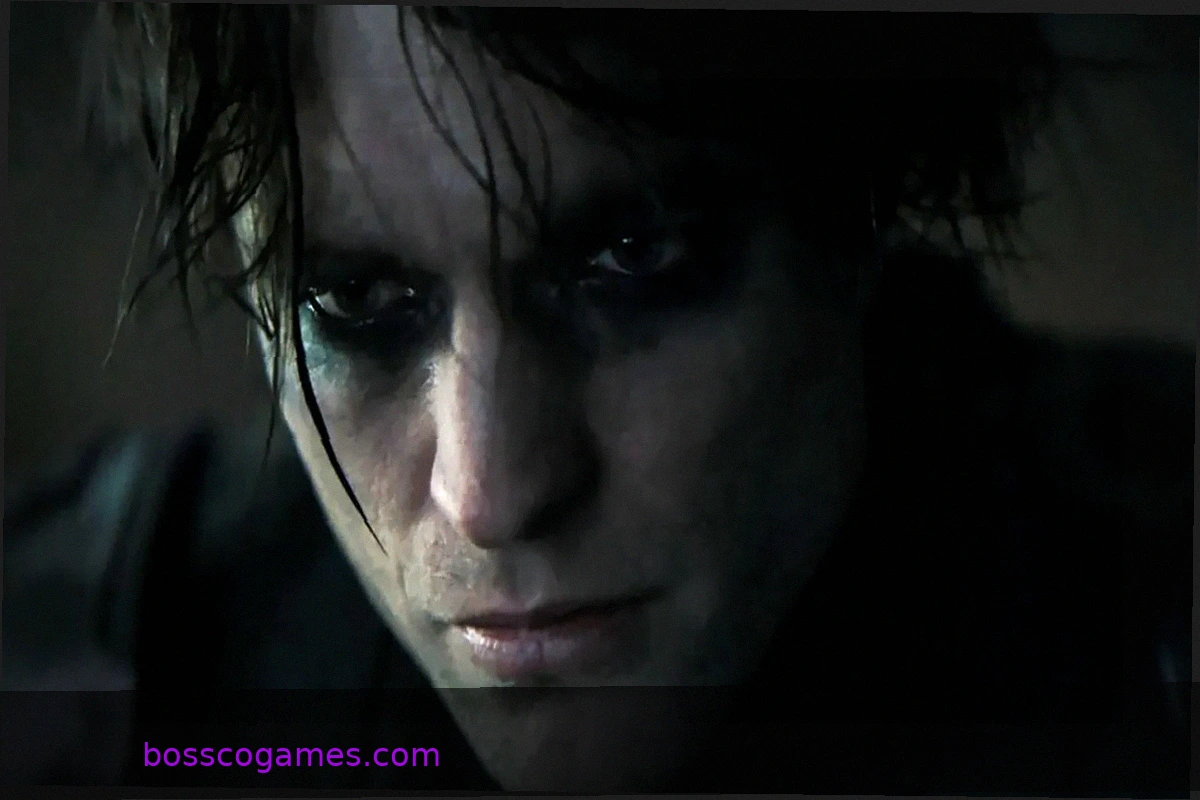
The Batman: Part II Production Paused Amidst Family Matters
Robert Pattinson's Batman faces another setback, as production on The Batman: Part II has paused. Director Matt Reeves has temporarily stepped away from the project to attend to a family matter. The film's journey to the screen has been a long one. Six years after the first ins
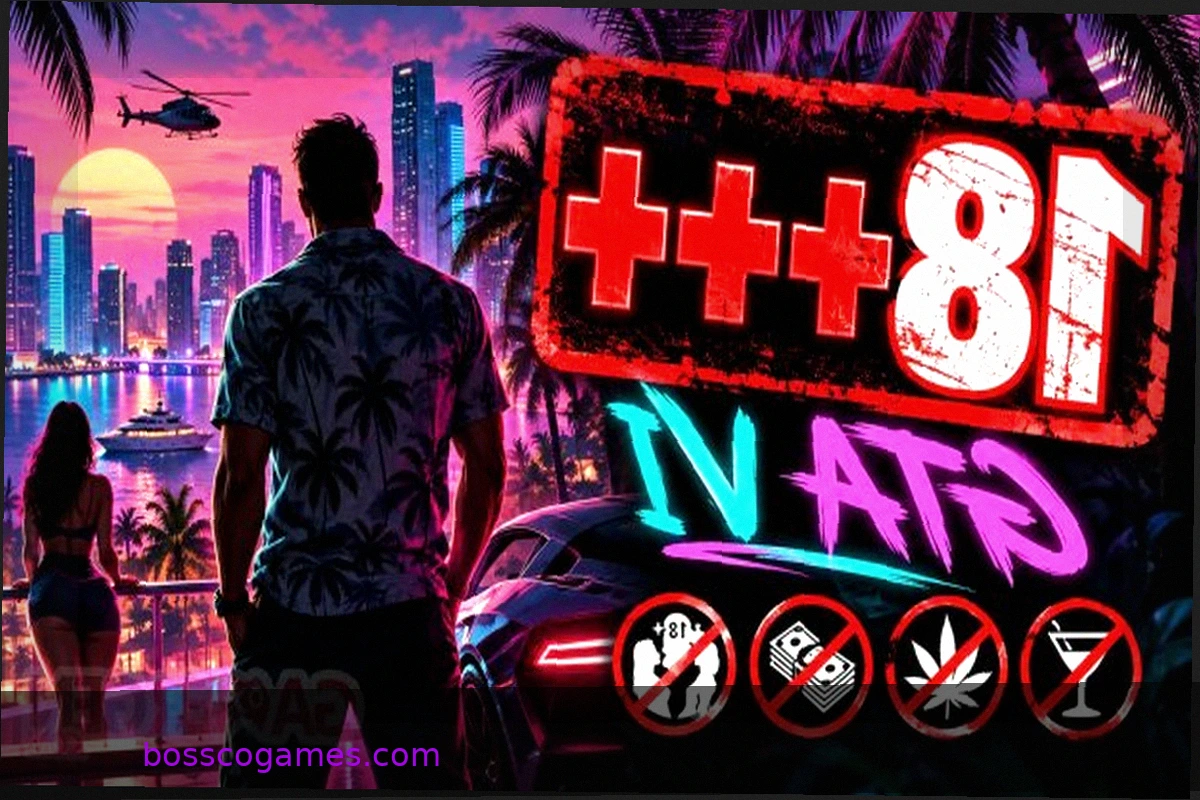
GTA VI: PEGI 18 rating briefly revealed raw details before removal
The PEGI 18 rating for GTA VI reportedly included a brief description of graphic violence, drug use, and sexual content before being removed from the European board's website. These details, cited by several media outlets, offer a glimpse into the adult-oriented content expected in the next Ro
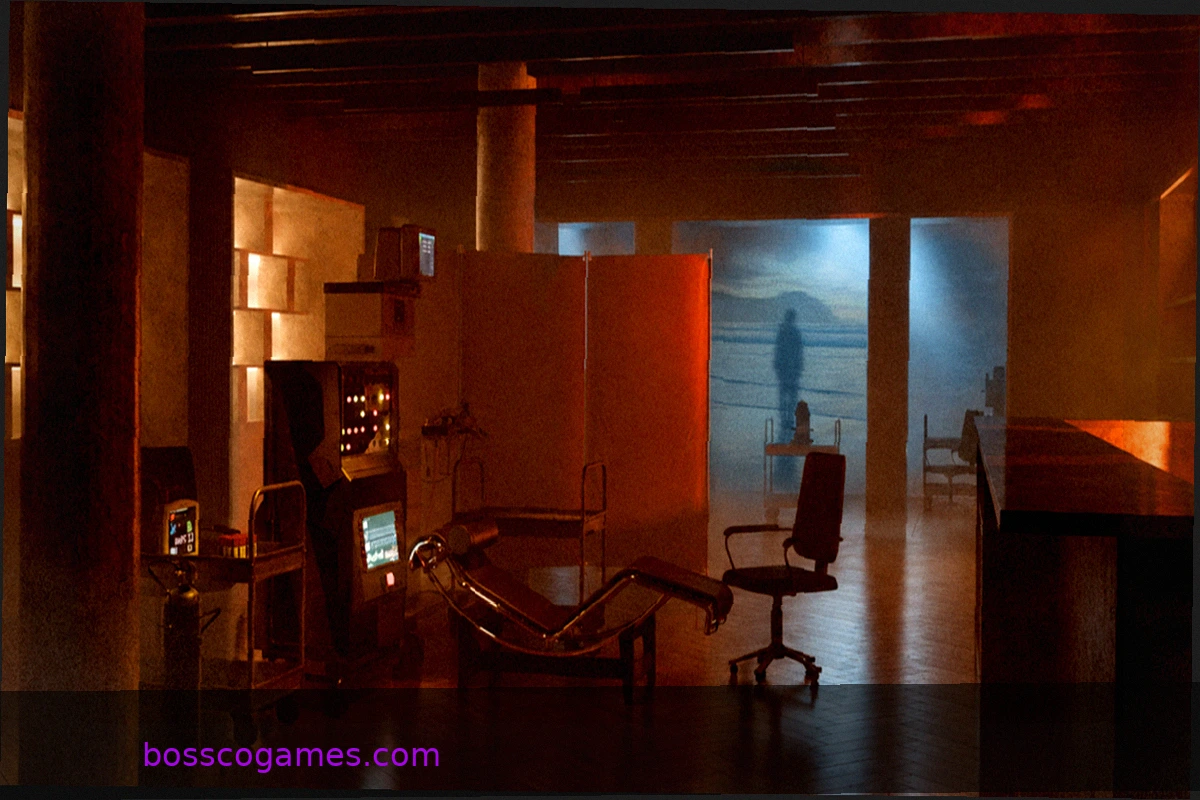
Blade Runner 2099 Brings the (Near) Future to New York Comic Con
If you can't answer questions like whether you'd accept a calfskin wallet as a birthday gift or identify a wasp on your arm without hesitation, you might struggle in the world of Blade Runner 2099. Prime Video's new series, set in the universe of Ridley Scott's original 19

Robert Pattinson's 'The Interview' Anti-Hero: A Star-Making Performance
Robert Pattinson's portrayal of Chris Hansen in The Interview feels almost unnervingly fitting. One might imagine the real Hansen finding a strange satisfaction in being depicted by a Batman actor. Pattinson fully embraces the role, delivering the kind of dramatic close-ups that mid-2