Lanterns Finale: Hal Jordan's Comic Return Path Remains Open
The Green Lanterns series finale concluded with Hal Jordan still dead, his bullet-riddled body frozen on a high school football field. Even the Hal-o-Gram, which allowed him to interact with John Stewart, vanished. However, despite the show's departure from the comics and Hal's definitive end in the finale, his comic history offers a way back: becoming The Spectre, the living embodiment of God's Wrath.
Hal Jordan's comic downfall began after Coast City's destruction during the Death of Superman saga. By the end of the 1994 story Emerald Twilight, he had destroyed the Green Lantern Corps, killed his friend Kilowog, and transformed into the villainous Parallax. Parallax became a major threat to Kyle Rayner and the DC Universe, even rewriting reality in the Zero Hour soft reboot.
Hal's villainous arc concluded in 1996 during the company-wide crossover Final Night. Facing a Sun-Eater threatening Earth's sun, Hal made a final, desperate act. He channeled all his Green Lantern power to reignite the sun, sacrificing himself as he recited his oath. This act of selfless heroism offered Hal Jordan redemption, leading to his transformation into The Spectre.
The Spectre predates Hal Jordan and the Green Lanterns themselves. Created by Jerry Siegel and Bernard Baily in the 1940s for More Fun Comics #52, the Spectre originated when a murdered detective, Jim Corrigan, was revived by a divine force to administer justice. Early Spectre stories depicted him as a superhero, with Corrigan transforming into a white-skinned, green-caped figure who punished criminals. He worked with the Justice Society of America and wasn't above lethal force, such as aging a thug into a skeleton instantly.
As the Silver and Bronze Ages progressed, The Spectre evolved into a more macabre figure, akin to a righteous enforcer. He used a giant pair of scissors to cut apart villains, turned murderers into melting candles, or transformed drug addicts into syringes for self-injection. These narratives solidified The Spectre as the living manifestation of God's Wrath, justifying his brutal methods against wrongdoers.
This extreme approach fueled Hal Jordan's Spectre stories. After his sacrifice to reignite the sun, divine justice still demanded retribution. However, Jim Corrigan, having been re-established as a corrupt cop before his Spectre tenure, had earned his atonement and was free from the entity. The Spectre required a new human host, and the guilty yet not irredeemable Hal Jordan proved a fitting choice.
The 2001-2003 series The Spectre, by J.M. DeMatteis and Ryan Sook, depicted Jordan grappling with the Spectre entity. He strove to infuse it with more goodness while confronting his own guilt over his Parallax actions. DeMatteis and Sook portrayed Jordan as a fallen hero who retained his heroic core, along with his formidable willpower. When Hal sought to wield the Spectre's power, he did so from a place of humility, retaining the charm and bravery that made him a great hero.
This echoes the Hal seen in the Green Lanterns finale. By 2016, Hal had become bitter and distrustful, shattered by the events of Rushville and his prison sentence, as evidenced by his public shaming in a diner. Yet, his efforts to atone and the lingering kindness of the Hal-o-Gram suggest the hero within him still exists.
James Gunn has stated that death is final in his DCU. However, considering the presence of Justice Society members like Sandman and Amazing Man on the mural in Superman, The Spectre could well exist in this universe. If so, it's an opportune moment for Kyle Chandler to return as a spectral Hal Jordan, embodying The Spectre.
Fresh materials — Gaming News
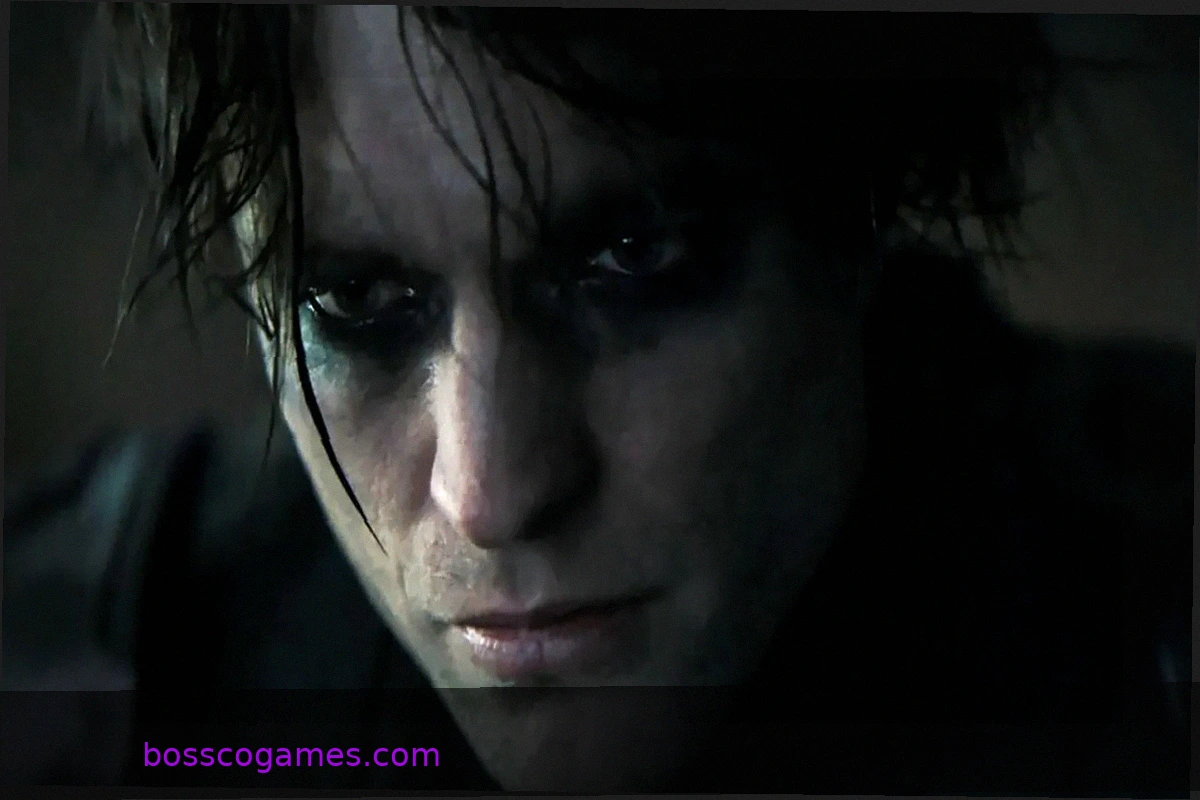
The Batman: Part II Production Paused Amidst Family Matters
Robert Pattinson's Batman faces another setback, as production on The Batman: Part II has paused. Director Matt Reeves has temporarily stepped away from the project to attend to a family matter. The film's journey to the screen has been a long one. Six years after the first ins
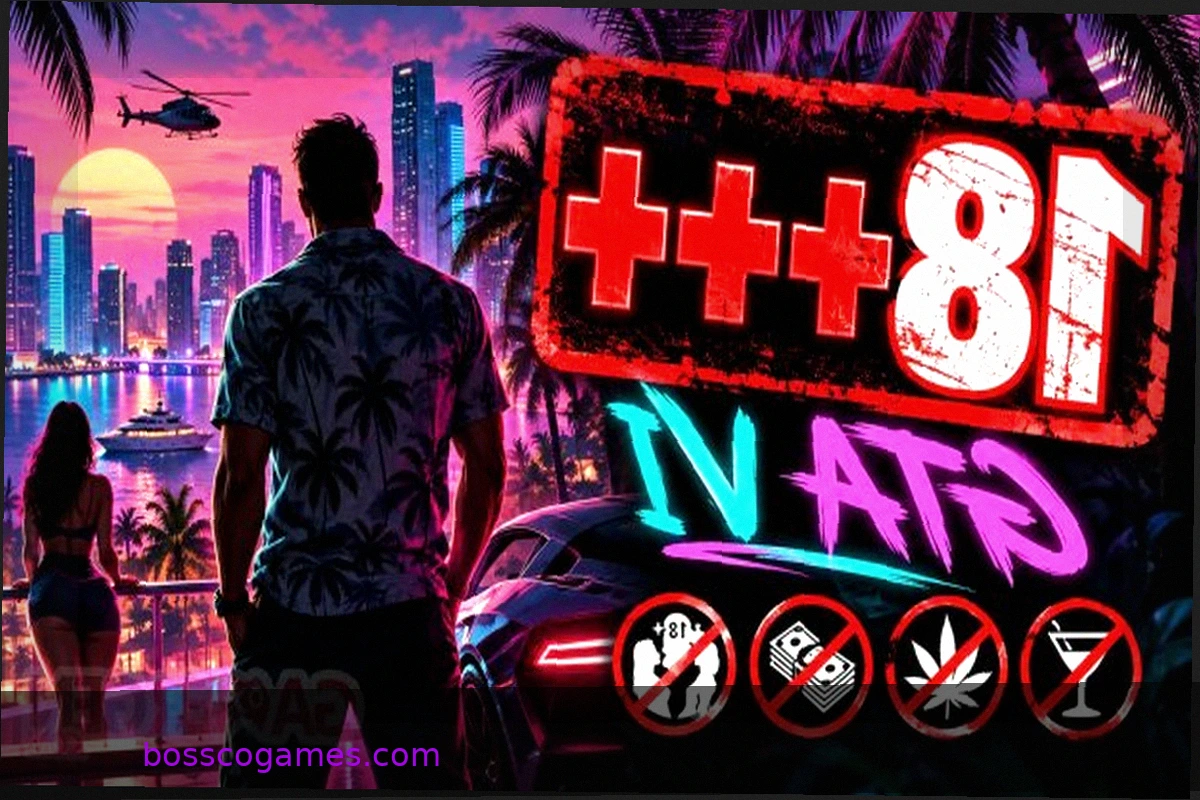
GTA VI: PEGI 18 rating briefly revealed raw details before removal
The PEGI 18 rating for GTA VI reportedly included a brief description of graphic violence, drug use, and sexual content before being removed from the European board's website. These details, cited by several media outlets, offer a glimpse into the adult-oriented content expected in the next Ro
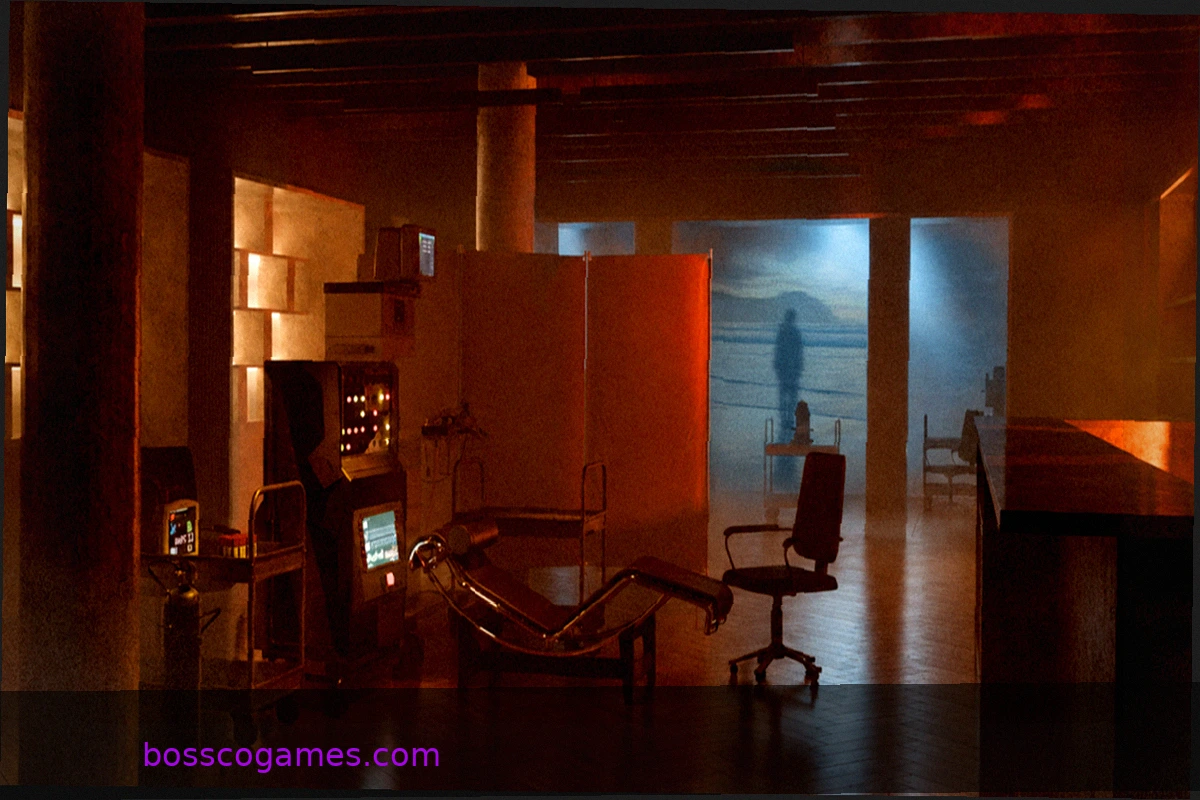
Blade Runner 2099 Brings the (Near) Future to New York Comic Con
If you can't answer questions like whether you'd accept a calfskin wallet as a birthday gift or identify a wasp on your arm without hesitation, you might struggle in the world of Blade Runner 2099. Prime Video's new series, set in the universe of Ridley Scott's original 19

Robert Pattinson's 'The Interview' Anti-Hero: A Star-Making Performance
Robert Pattinson's portrayal of Chris Hansen in The Interview feels almost unnervingly fitting. One might imagine the real Hansen finding a strange satisfaction in being depicted by a Batman actor. Pattinson fully embraces the role, delivering the kind of dramatic close-ups that mid-2

Star Trek: Strange New Worlds Season 4 Episode 8 Review – Orders of Magnitude
Joe Morton delivers an excellent, delightfully unhinged guest turn as Admiral Simon Reeger, a legendary Klingon War-era Starfleet captain who immediately dazzles half the crew and whom anyone watching at home likely realized we couldn't exactly trust. He boards while Captain Pike is of
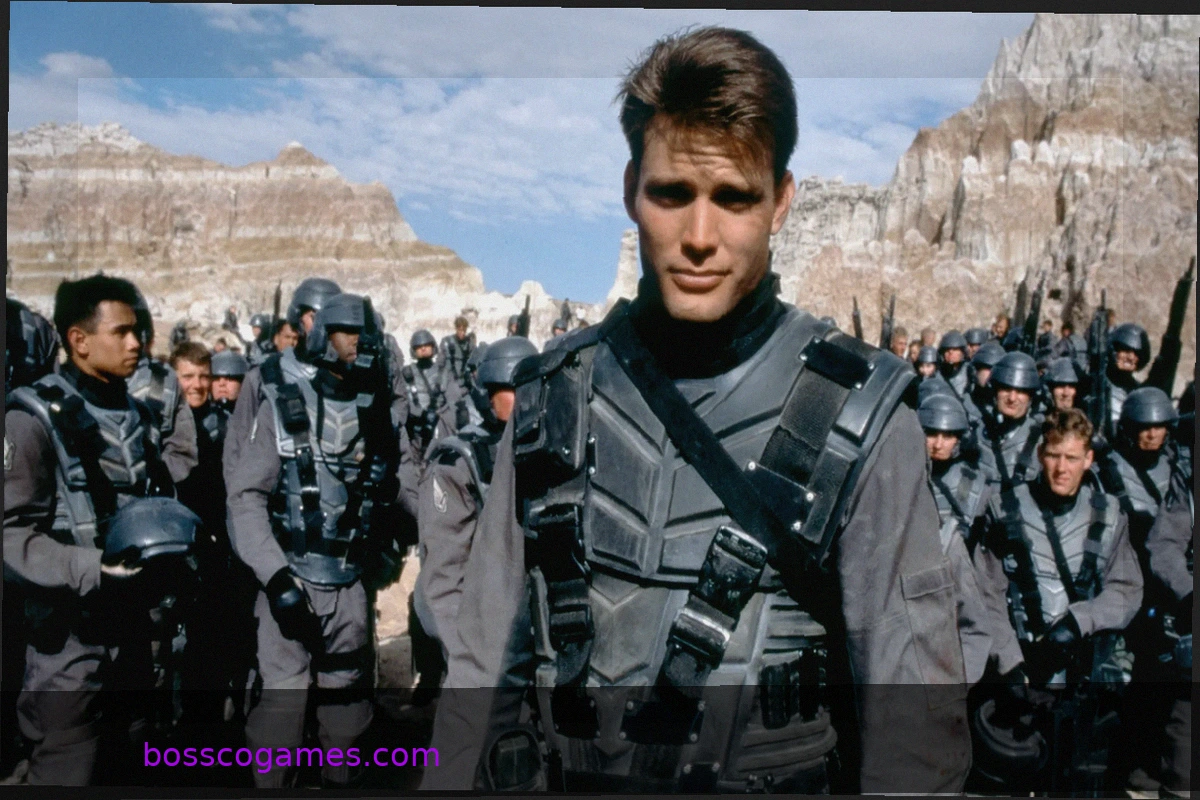
Is the Nazi Metaphor in Starship Troopers Really That Hard to Grasp?
For those unfamiliar with the nuances of the increasingly niche Gen X and millennial pop culture, Starship Troopers was a 1997 film adaptation (and some might argue, an utter betrayal) of Robert A. Heinlein's 1959 science fiction novel of the same name. Directed by Dutch provocateur and cynic Paul