Robert Pattinson's 'The Interview' Anti-Hero: A Star-Making Performance
Robert Pattinson's portrayal of Chris Hansen in The Interview feels almost unnervingly fitting. One might imagine the real Hansen finding a strange satisfaction in being depicted by a Batman actor. Pattinson fully embraces the role, delivering the kind of dramatic close-ups that mid-2000s camera crews could only dream of. When faced with the film's first predator, Pattinson's Hansen practically purrs, "I'm Chris Hansen from Dateline NBC," the camera lingering on his face as if he'd ordered a very specific cocktail. This Hansen, like the audience two decades ago, understands that the real draw isn't stopping a predator, but witnessing the humiliation of a monster. The tension builds as we anticipate this interview hitting national television. Yet, Hansen's unyielding self-righteousness is palpable, and Pattinson plays him as a man convinced he's delivering lines from a future blockbuster trailer. If that's the case, mission accomplished, Chris.
The true brilliance of Pattinson's performance lies in its profound emptiness and lack of genuine human connection. At one point, the character insists he's not an actor, but a journalist. Despite this, he never appears authentic, incapable of breaking his performative charade. Even alone in a hotel room, Pattinson's Hansen delivers a dramatic monologue to his reflection, spitting mouthwash with the intensity of a courtroom lawyer. This is a man performing heroism.
Amidst Pattinson's array of peculiar roles this year, this Hansen might be the most bizarre. He's ostensibly doing good by outing probable pedophiles, yet his detachment from reality—unaffected by men, beasts, or even his ex-wife (a brief cameo by Anna Faris)—makes him an enigma. While the film adheres to traditional matinée structures, Pattinson seems to be forging a path akin to Nicolas Cage, making bold, idiosyncratic choices in both his roles and his unconventional interpretations of them. For Hansen, the characterization feels almost reptilian, or like someone meticulously studying how heroic figures behave in movies. It's an abstraction of a person.
This is both the film's greatest strength and its limiting factor. When the central character is ultimately a vessel for personal aggrandizement, any notion of his downfall feels hollow. Oppenheim, a documentarian by training, attempts to compensate by crafting supporting characters who exhibit some semblance of character development or self-awareness, something impossible for his Hansen. This is where Merritt Wever as Andie Bender, Hansen's long-suffering producer, and Skyler Gisondo as Dan Plumb, aka Decoy Dan, come in.
Both deliver solid performances, though Gisondo's earnest young actor, who at 24 plays 13-year-olds, offers the film's only real counterpoint to the pervasive darkness. Poor Dan, a musical theater enthusiast, is introduced singing "Seasons of Love" from Rent during his audition—a callback to the late '90s and early 2000s. He is utterly unprepared for the "role" he's about to undertake, especially when, on his first day, a predator drops his pants right in front of him, whipped cream can in hand.
Gisondo, also known for playing Jimmy Olsen in the recent Superman films, injects a welcome dose of innocence. More importantly, he serves as a barometer, allowing the audience to measure the sheer cynicism of Dan's predicament and, by extension, the film itself. Wever is excellent as the perpetually exhausted Andie, but her producer is only slightly less vampiric than Pattinson's Hansen. She actively chooses to participate in the toxic circus of The Interview's production at every turn. The other figures involved lack any self-awareness, proclaiming their show as vital activism while gleefully pursuing "whales" and sensationalized content. How else could they possibly compete with Lost in the 9 p.m. Wednesday slot?
Fresh materials — Gaming News
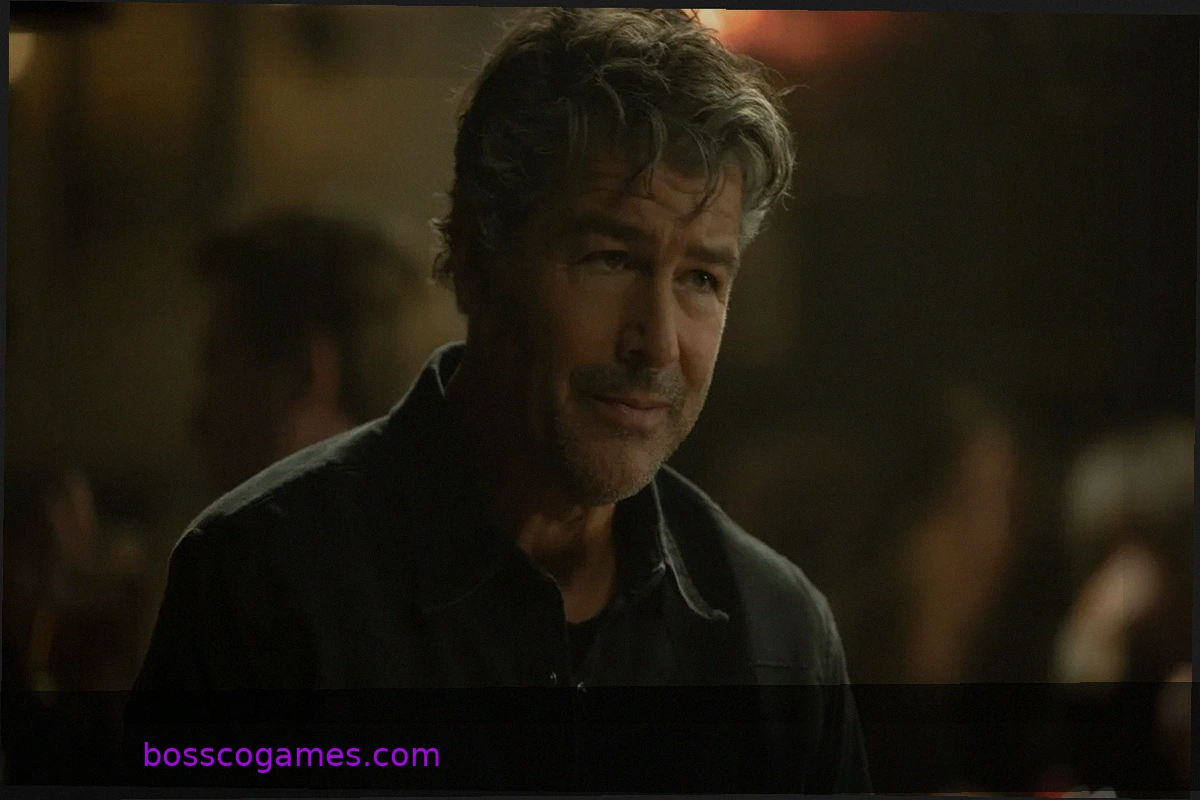
Lanterns Finale: Hal Jordan's Comic Return Path Remains Open
The Green Lanterns series finale concluded with Hal Jordan still dead, his bullet-riddled body frozen on a high school football field. Even the Hal-o-Gram, which allowed him to interact with John Stewart, vanished. However, despite the show's departure from the comics and Hal's definitive end i
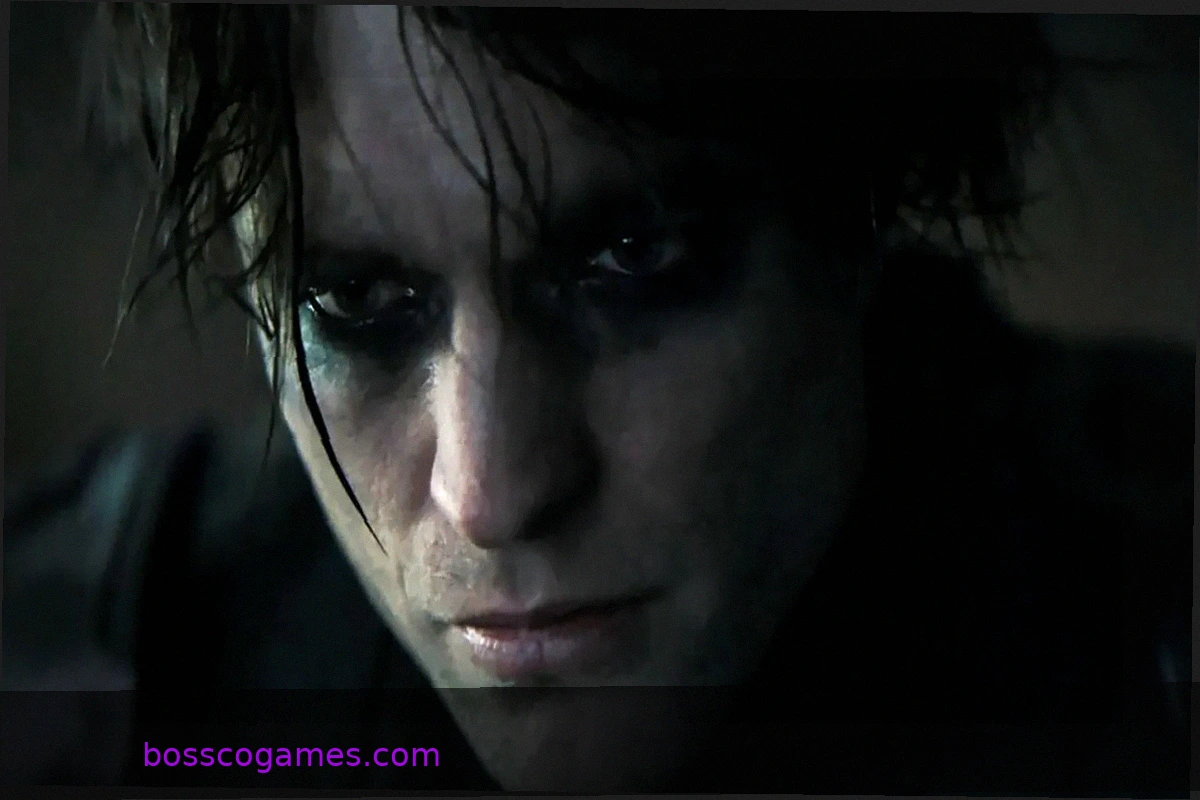
The Batman: Part II Production Paused Amidst Family Matters
Robert Pattinson's Batman faces another setback, as production on The Batman: Part II has paused. Director Matt Reeves has temporarily stepped away from the project to attend to a family matter. The film's journey to the screen has been a long one. Six years after the first ins

GTA VI: PEGI 18 rating briefly revealed raw details before removal
The PEGI 18 rating for GTA VI reportedly included a brief description of graphic violence, drug use, and sexual content before being removed from the European board's website. These details, cited by several media outlets, offer a glimpse into the adult-oriented content expected in the next Ro
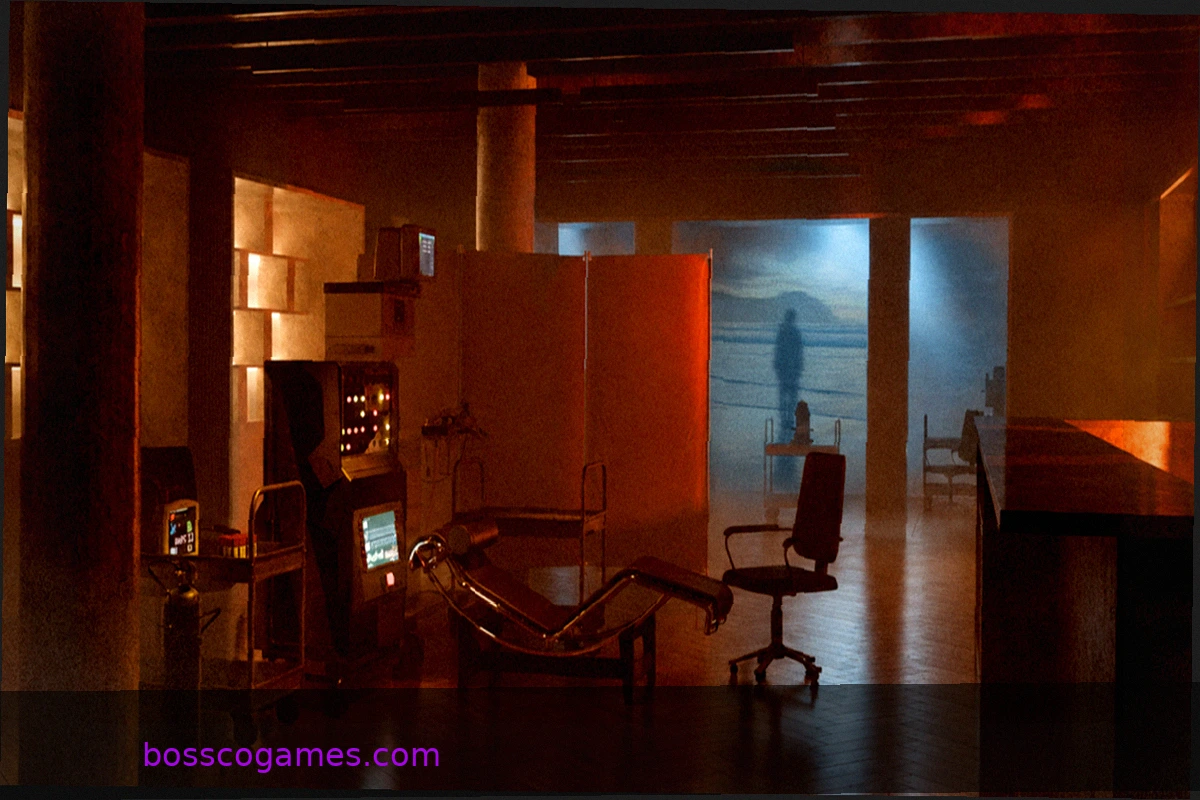
Blade Runner 2099 Brings the (Near) Future to New York Comic Con
If you can't answer questions like whether you'd accept a calfskin wallet as a birthday gift or identify a wasp on your arm without hesitation, you might struggle in the world of Blade Runner 2099. Prime Video's new series, set in the universe of Ridley Scott's original 19

Star Trek: Strange New Worlds Season 4 Episode 8 Review – Orders of Magnitude
Joe Morton delivers an excellent, delightfully unhinged guest turn as Admiral Simon Reeger, a legendary Klingon War-era Starfleet captain who immediately dazzles half the crew and whom anyone watching at home likely realized we couldn't exactly trust. He boards while Captain Pike is of
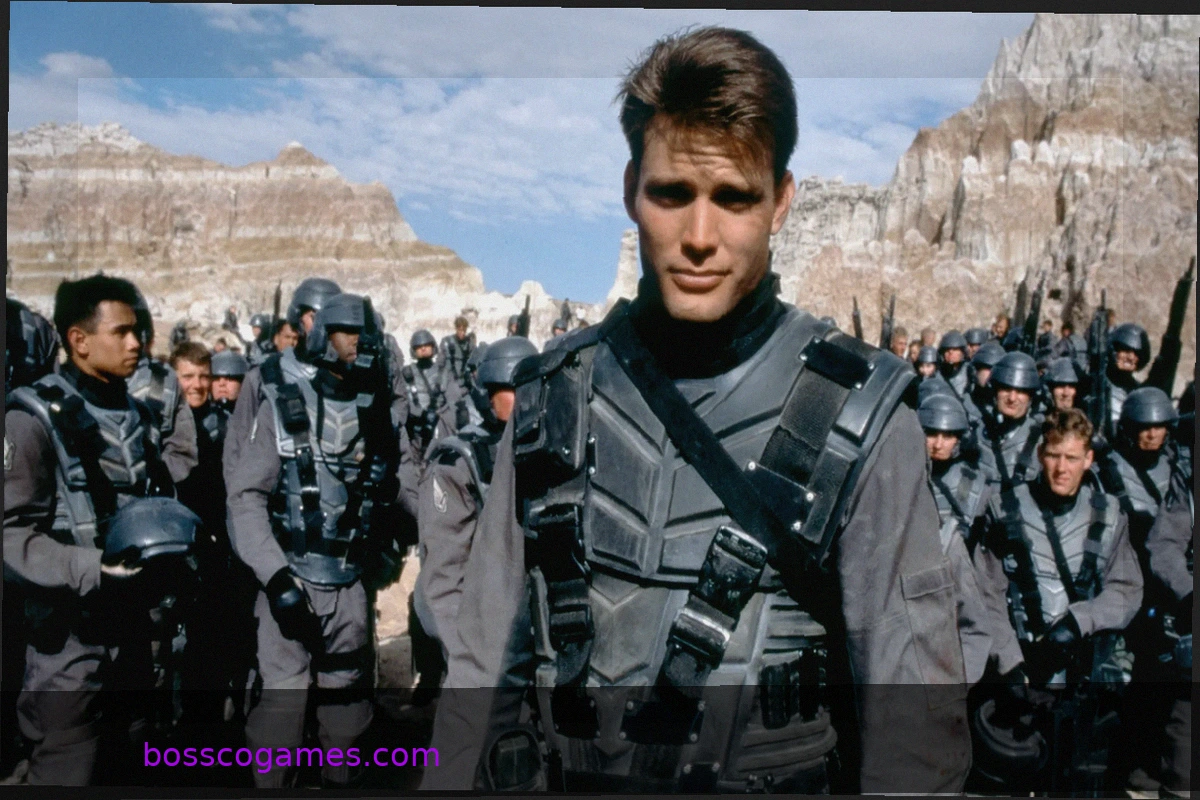
Is the Nazi Metaphor in Starship Troopers Really That Hard to Grasp?
For those unfamiliar with the nuances of the increasingly niche Gen X and millennial pop culture, Starship Troopers was a 1997 film adaptation (and some might argue, an utter betrayal) of Robert A. Heinlein's 1959 science fiction novel of the same name. Directed by Dutch provocateur and cynic Paul