House of the Dragon Season 3 Episode 8 Review: All the Things You Care About Are Ugly
In his now infamous (and since deleted) blog post teasing House of the Dragon's adaptation choices, George RR Martin went ahead and unashamedly spoiled the show's yet-to-be-aired third season events by writing, "In Ryan’s (Condal’s) plan for season 3, Helaena still kills herself… for
In his now infamous (and since deleted) blog post teasing House of the Dragon's adaptation choices, George RR Martin went ahead and unashamedly spoiled the show's yet-to-be-aired third season events by writing, "In Ryan’s (Condal’s) plan for season 3, Helaena still kills herself… for no particular reason. No new horror, no triggering event that overwhelms the fragile young queen."
At the time, many suspected that George, bless his heart, was being somewhat of a drama queen. After all, the reason for that blog post in the first place was the show’s removal of a very minor character, Maelor, Aegon and Helaena’s youngest son. But now that we’ve all seen the episode, doesn’t it feel like the butler of “A Song of Ice and Fire” might have had a point?
While it’s not fair to say that Helaena offed herself for no particular reason, her actual reasoning is, at best, murky. Leaning into Helaena’s status as a prophetic Targaryen “dreamer” has paid enormous dividends throughout the series and made her one of the most eminently watchable characters on screen, but it might also have backfired here in the end.
All good prophetic dreams are inherently muddled and subject to interpretation. Helaena’s, however, are simply too unclear for her fateful decision to make any sense. Was it the vision of a grey mare appearing in the courtyard that convinced Helaena her death was necessary? Was it the remote psychic damage suffered by all the lost souls at Tumbleton? Or was it simply the horrible taste of the porridge Rhaenyra had force-fed her?
I really don’t know. And I don’t feel like the invisible hand of history has given me the tools to properly interpret it… or if it even wants me to try. Certainly, there’s something to be said for a precognitive character like Helaena understanding that her time as a thread in a richer tapestry is at its end. On some level, Helaena and history itself are one and the same, or at least better understood than most.
If anything, it feels as though Helaena died not for history, nor for herself, nor for her children, but for Rhaenyra. The Queen on the Iron Throne is not short on autocratic eurekas in this saga. The gods have not only killed two of her children and heirs, but they have now resurrected her rival. And yet, Rhaenyra has never looked more resolute than when she gazes from the parapet down at her half-sister’s broken body. Could only Helaena’s death elicit that final fracture of humanity? Was she aware of that? Is that why she took the blame… so Rhaenyra could one day bear hers?
Fresh materials — Gaming News
1win CS2 Team Earns $100,000 Bonus After Upsetting Team Spirit
The 1win Counter-Strike 2 team defeated top-ranked Team Spirit 2-0. This win secured 1win a playoff berth at Spodek Arena and earned them a $100,000 bonus from the 1win owner for the significant achievement. This victory caps a strong group stage performance for 1win. After an
Lanterns Finale: Hal Jordan's Comic Return Path Remains Open
The Green Lanterns series finale concluded with Hal Jordan still dead, his bullet-riddled body frozen on a high school football field. Even the Hal-o-Gram, which allowed him to interact with John Stewart, vanished. However, despite the show's departure from the comics and Hal's definitive end i
The Batman: Part II Production Paused Amidst Family Matters
Robert Pattinson's Batman faces another setback, as production on The Batman: Part II has paused. Director Matt Reeves has temporarily stepped away from the project to attend to a family matter. The film's journey to the screen has been a long one. Six years after the first ins
GTA VI: PEGI 18 rating briefly revealed raw details before removal
The PEGI 18 rating for GTA VI reportedly included a brief description of graphic violence, drug use, and sexual content before being removed from the European board's website. These details, cited by several media outlets, offer a glimpse into the adult-oriented content expected in the next Ro
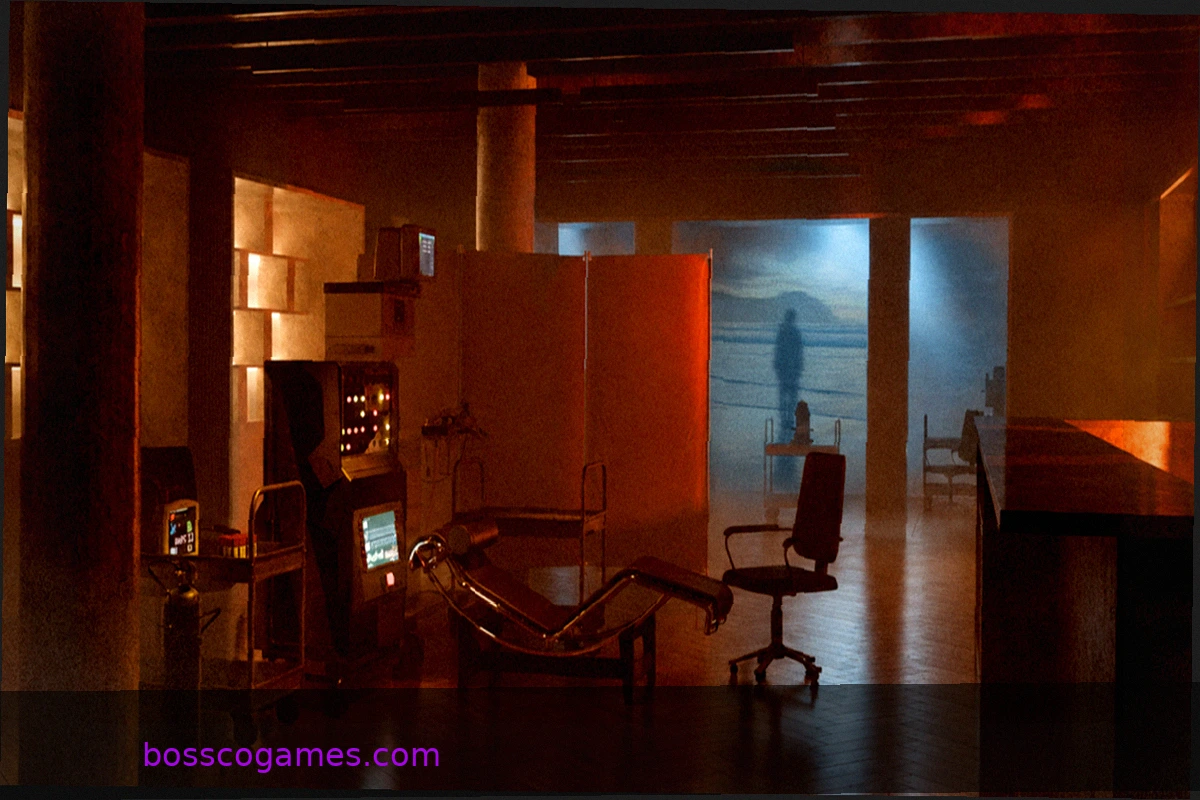
Blade Runner 2099 Brings the (Near) Future to New York Comic Con
If you can't answer questions like whether you'd accept a calfskin wallet as a birthday gift or identify a wasp on your arm without hesitation, you might struggle in the world of Blade Runner 2099. Prime Video's new series, set in the universe of Ridley Scott's original 19
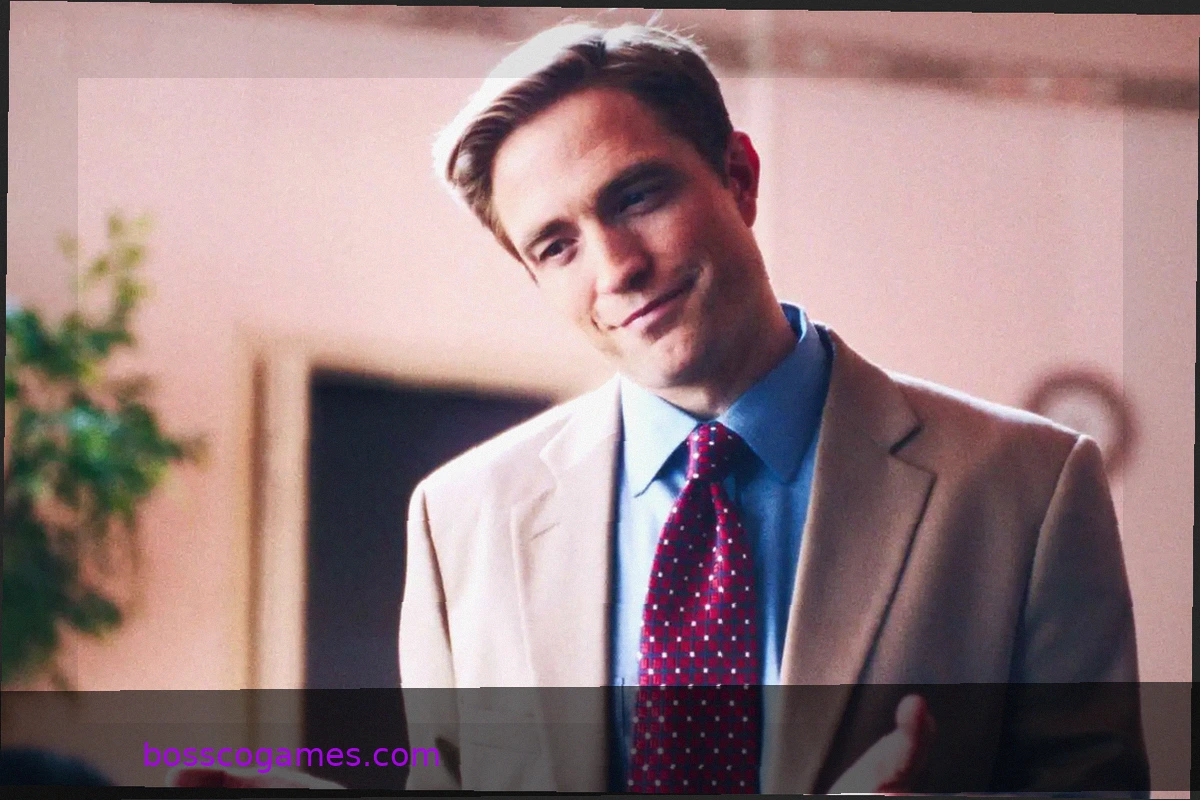
Robert Pattinson's 'The Interview' Anti-Hero: A Star-Making Performance
Robert Pattinson's portrayal of Chris Hansen in The Interview feels almost unnervingly fitting. One might imagine the real Hansen finding a strange satisfaction in being depicted by a Batman actor. Pattinson fully embraces the role, delivering the kind of dramatic close-ups that mid-2