Post-Game Depression: A Scientific Look at Gaming's Emotional Void, Especially in RPGs
Have you ever experienced that peculiar sense of melancholy that washes over you after completing a video game that truly moved you and kept you glued to the screen? A recent scientific study confirms that this is a tangible phenomenon, officially termed 'post-game depression.'
According to research highlighted by New Medical Life Sciences, this condition is described as "a sense of emptiness that emerges after completing a deeply immersive game," manifesting as feelings of "loss, void, or sadness." While this emotional state has long been discussed among players, particularly on social media, scientific studies exploring it have been scarce until now.
Causes of Post-Game Depression
The study, published in the January issue of Current Psychology, involved 373 participants across two distinct surveys. Researchers investigated four key dimensions of the phenomenon: game-related ruminations, difficulty accepting the conclusion of the experience, the urge to replay the title, and medial anhedonia—the inability to find pleasure in activities that are usually gratifying.
The authors suggest that this phenomenon is most pronounced when the gaming experience is perceived as truly unique. This includes games that push the boundaries of their genre or titles featuring rich stories and characters that foster profound emotional involvement. Many participants recounted feeling that the ending was too sudden, while others struggled to accept that the adventure had truly concluded. This was often coupled with the realization that the magic of the first playthrough could never be fully recaptured, and that the game would no longer evoke the same level of tension, joy, or sadness.
These intense emotions, researchers explain, could "last for days or even weeks, culminating in a form of medial anhedonia: no other video game or form of entertainment seemed capable of filling that void."
RPGs Most Susceptible, With Soulslikes and Survival Horrors Also Affected
According to the study, Role-Playing Games (RPGs) are the genre most likely to trigger post-game depression. The reasoning is quite intuitive: these are typically long experiences, rich with complex characters, intricate relationships, and expansive narrative worlds that encourage deep emotional attachment, especially when supported by high-quality writing.
The study observed "positive correlations between the intensity of post-game depression and more pronounced depressive symptoms, a tendency towards rumination, difficulties in emotional processing, and lower overall well-being. Furthermore, it emerged that role-playing games tend to generate stronger post-game depression compared to other genres."
However, other genres can also elicit this phenomenon. Soulslike games, for instance, add frustration, significant challenge, and a powerful sense of final accomplishment to the mix. "Some titles evoke deep emotions such as contemplation, sadness, or existential reflections. Others focus on fear, through mechanics and narratives typical of survival horror. And the soulslike genre introduces frustration and challenge, transforming gameplay into a demanding experience that ultimately delivers a strong sense of competence and achievement."
Fresh materials — Gaming News
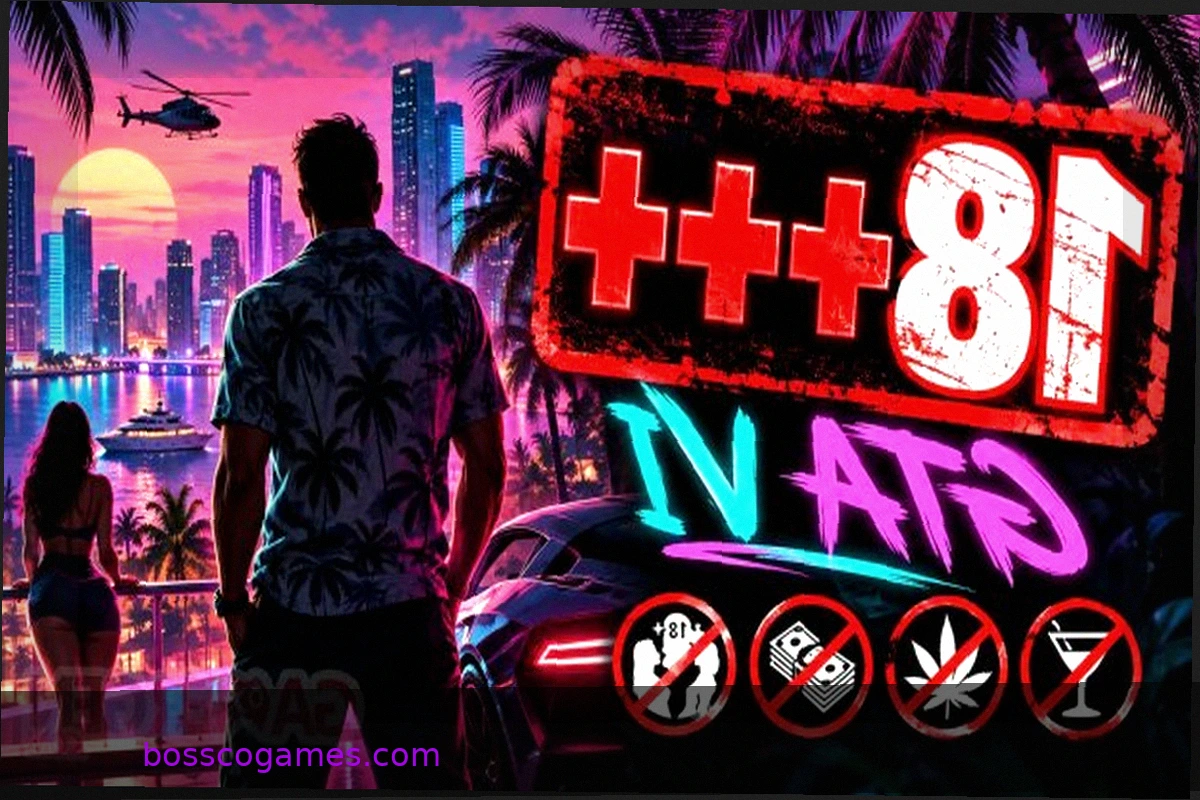
GTA VI: PEGI 18 rating briefly revealed raw details before removal
The PEGI 18 rating for GTA VI reportedly included a brief description of graphic violence, drug use, and sexual content before being removed from the European board's website. These details, cited by several media outlets, offer a glimpse into the adult-oriented content expected in the next Ro
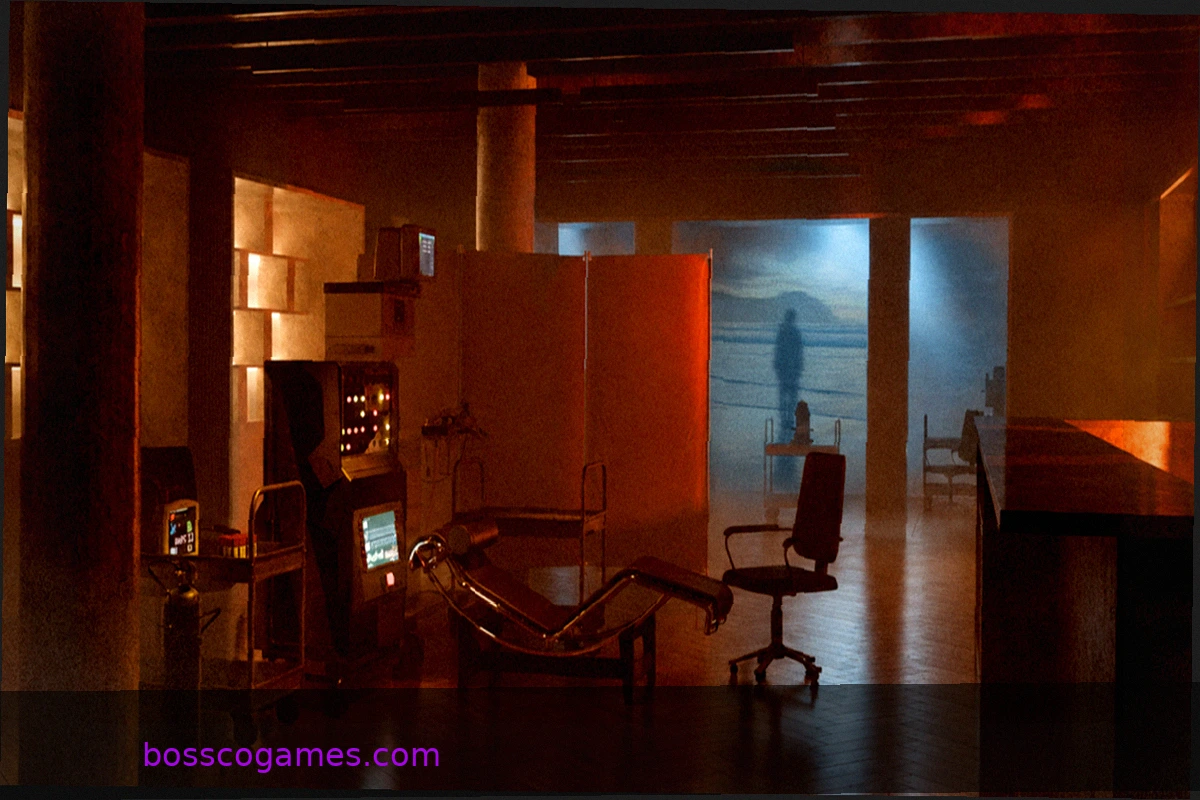
Blade Runner 2099 Brings the (Near) Future to New York Comic Con
If you can't answer questions like whether you'd accept a calfskin wallet as a birthday gift or identify a wasp on your arm without hesitation, you might struggle in the world of Blade Runner 2099. Prime Video's new series, set in the universe of Ridley Scott's original 19

Robert Pattinson's 'The Interview' Anti-Hero: A Star-Making Performance
Robert Pattinson's portrayal of Chris Hansen in The Interview feels almost unnervingly fitting. One might imagine the real Hansen finding a strange satisfaction in being depicted by a Batman actor. Pattinson fully embraces the role, delivering the kind of dramatic close-ups that mid-2

Star Trek: Strange New Worlds Season 4 Episode 8 Review – Orders of Magnitude
Joe Morton delivers an excellent, delightfully unhinged guest turn as Admiral Simon Reeger, a legendary Klingon War-era Starfleet captain who immediately dazzles half the crew and whom anyone watching at home likely realized we couldn't exactly trust. He boards while Captain Pike is of
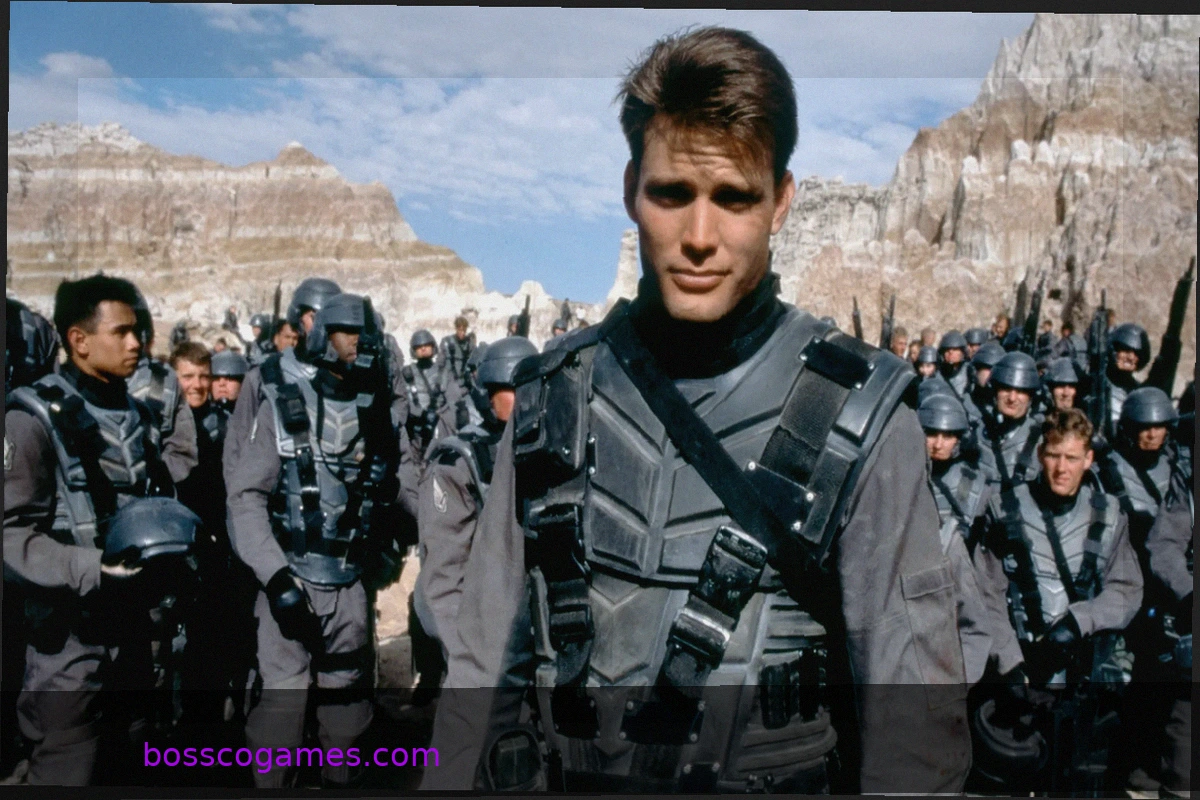
Is the Nazi Metaphor in Starship Troopers Really That Hard to Grasp?
For those unfamiliar with the nuances of the increasingly niche Gen X and millennial pop culture, Starship Troopers was a 1997 film adaptation (and some might argue, an utter betrayal) of Robert A. Heinlein's 1959 science fiction novel of the same name. Directed by Dutch provocateur and cynic Paul
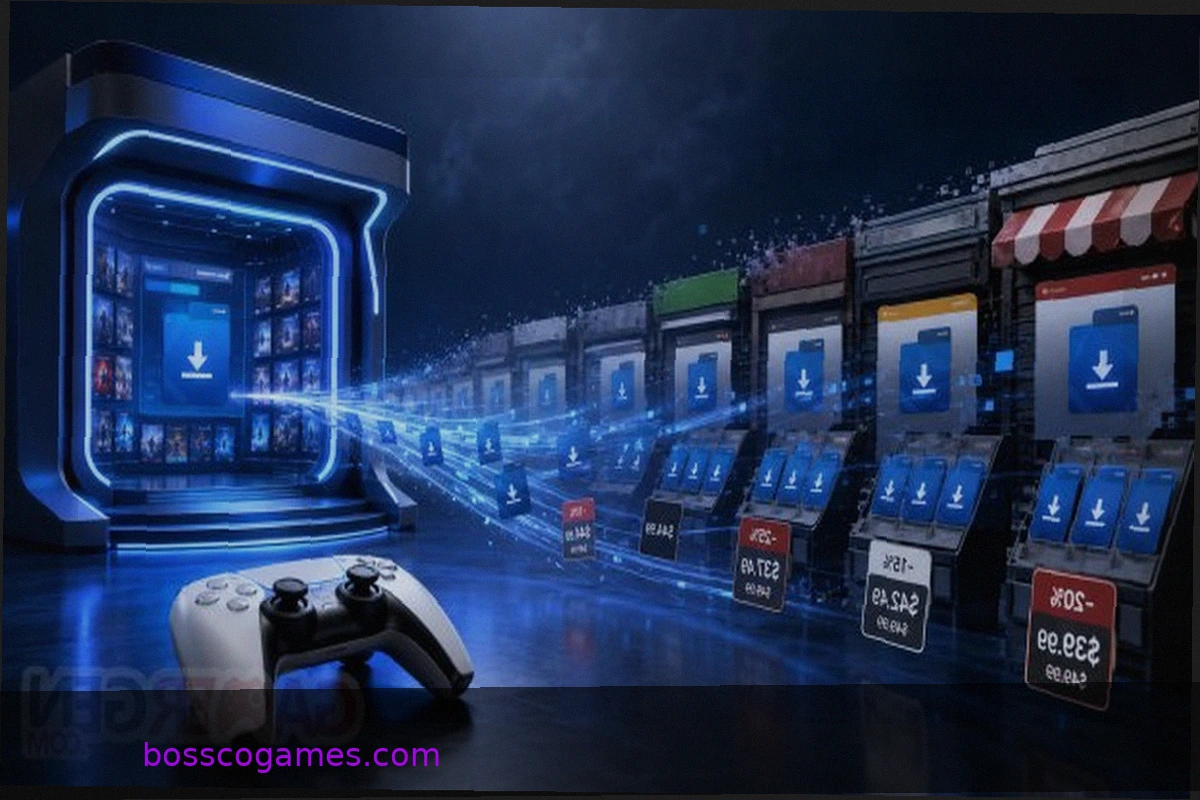
PlayStation Store Lawsuit: Sony Agrees to $7.85 Million Settlement, But Why?
The case dates back to 2019. Until then, retailers like Amazon, Best Buy, GameStop, Target, and Walmart could sell codes for downloading specific games on the PlayStation Store. These resellers were free to offer promotions on these codes, directly competing with Sony Interactive Entertainment