PlayStation Store Lawsuit: Sony Agrees to $7.85 Million Settlement, But Why?
The case dates back to 2019. Until then, retailers like Amazon, Best Buy, GameStop, Target, and Walmart could sell codes for downloading specific games on the PlayStation Store. These resellers were free to offer promotions on these codes, directly competing with Sony Interactive Entertainment's store. In April 2019, Sony ended the sale of these game codes to US retailers. Cards for adding credit to a PSN wallet remained available, but the purchase of a digital game had to be made directly from the PlayStation Store.
Several US consumers then filed a class-action lawsuit against Sony. In this proceeding, dubbed Caccuri et al. v. Sony Interactive Entertainment, the plaintiffs accused the company of deliberately reducing competition in the digital PlayStation game market. According to them, the disappearance of codes sold by third-party retailers allowed Sony to solely control prices, leading players to pay more for certain titles. The lawsuit does not concern all purchases made on the PlayStation Store. It specifically targets a selection of games for which codes were available before April 2019, and whose prices, after discounts, allegedly increased by at least 50 cents after their removal from competing stores. The period covered spans from April 1, 2019, to December 31, 2023.
After several years of proceedings, Sony agreed to a settlement amounting to $7.85 million. This sum is intended to resolve the claims of the affected consumers, without the company admitting to any violation of US competition laws.
Contrary to what some headlines might suggest, Sony was not fined eight million dollars for engaging in "abusive pricing." The court has not yet determined whether the company actually violated the law. The agreement is a compromise: Sony agrees to pay to end the dispute, while the members of the class-action lawsuit waive their right to sue the company separately for the same actions.
Judge Araceli Martínez-Olguín granted preliminary approval to this settlement on April 8, 2026. A hearing is scheduled for October 15, 2026, to determine if the proposed terms are fair and if the agreement can be definitively validated. If approved, the full $7.85 million will not be directly distributed to players. Lawyers can request up to 25% of the fund for their fees, plus administrative costs and potential awards for the plaintiffs' representatives.
The remaining amount will be distributed among eligible consumers, primarily in the form of credits to their PSN wallets. US players meeting the criteria are automatically included in the settlement unless they opted out by the deadline. Holders of deactivated PSN accounts could request payment by check until August 27, 2026. The individual amount is therefore expected to remain relatively limited, especially due to the potential number of beneficiaries. A previous estimate mentioned over 4.4 million consumers involved. Even if not all will receive identical compensation, this proportion indicates that the settlement primarily represents a legal resolution to the conflict rather than a full reimbursement of allegedly overpaid sums.
This case takes on particular significance as Sony prepares to phase out physical discs for new PlayStation games starting in January 2028. When players can no longer choose between a physical version, a used copy, an independent retailer, and the PlayStation Store, the issue of price competition will become even more critical. It's also important not to confuse this US proceeding with the class-action lawsuit currently being examined in the UK. The latter represents millions of players and seeks nearly two billion pounds from Sony, also accused of exploiting its closed ecosystem and charging commissions on digital sales. Both cases are distinct, but they raise a common question: who can still drive down prices when the manufacturer controls the only store accessible from its console?
The US settlement still requires final approval. Its amount may seem modest considering the revenue generated by the PlayStation Store, but its existence serves as a reminder that the disappearance of competition among retailers affects not only game ownership or preservation but can also directly influence the price consumers pay.
And you, do you think Sony should allow the sale of full game download codes through competing retailers again?
Fresh materials — Gaming News
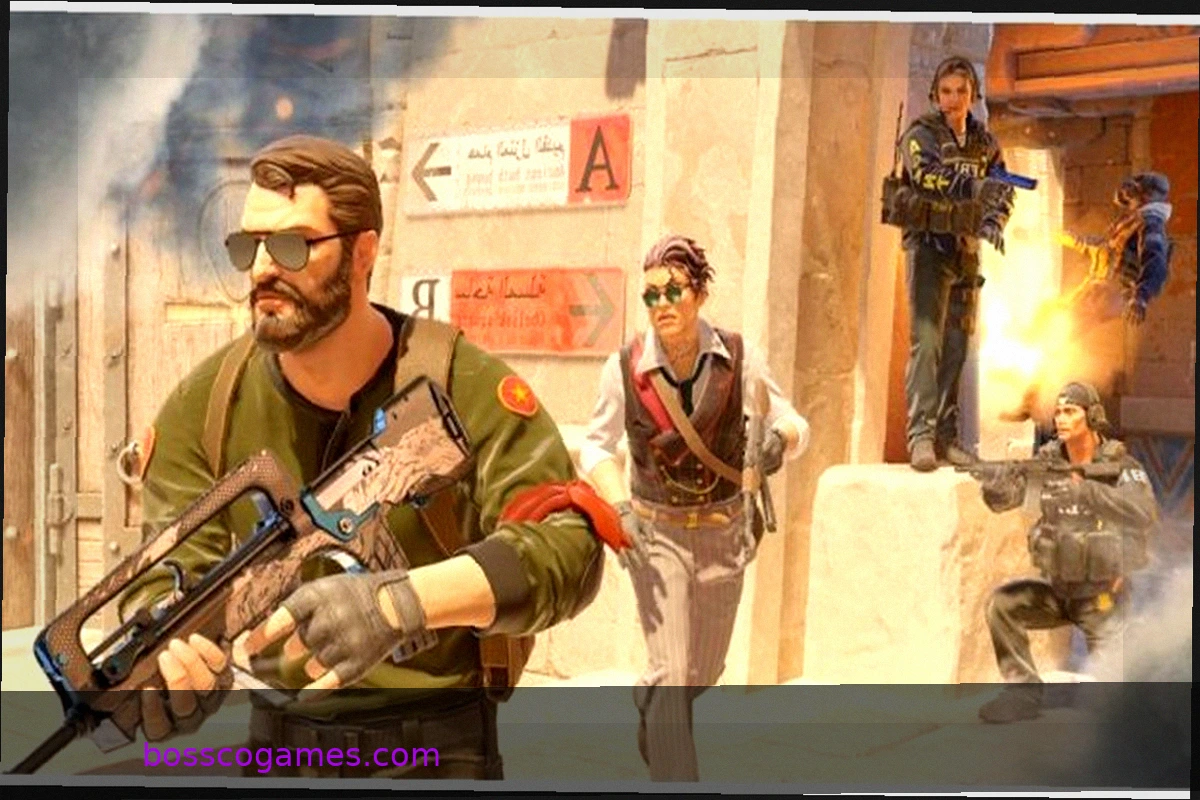
1win CS2 Team Earns $100,000 Bonus After Upsetting Team Spirit
The 1win Counter-Strike 2 team defeated top-ranked Team Spirit 2-0. This win secured 1win a playoff berth at Spodek Arena and earned them a $100,000 bonus from the 1win owner for the significant achievement. This victory caps a strong group stage performance for 1win. After an
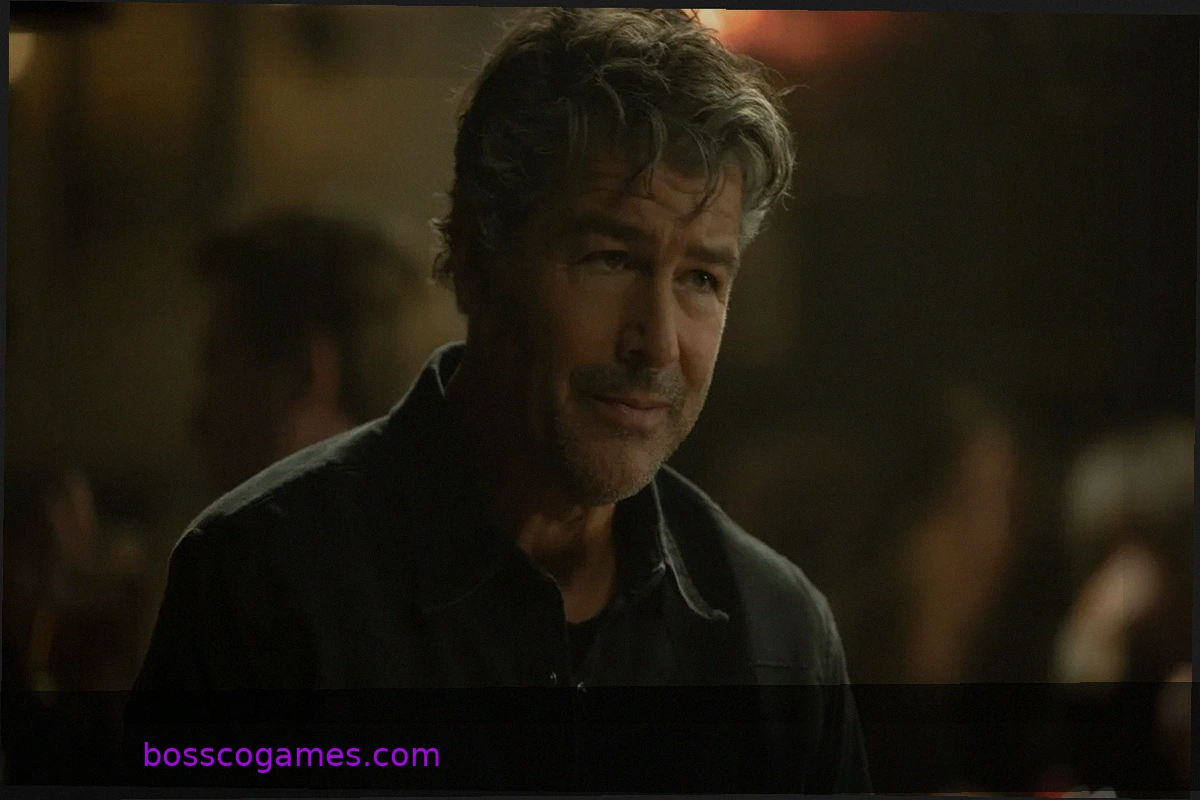
Lanterns Finale: Hal Jordan's Comic Return Path Remains Open
The Green Lanterns series finale concluded with Hal Jordan still dead, his bullet-riddled body frozen on a high school football field. Even the Hal-o-Gram, which allowed him to interact with John Stewart, vanished. However, despite the show's departure from the comics and Hal's definitive end i
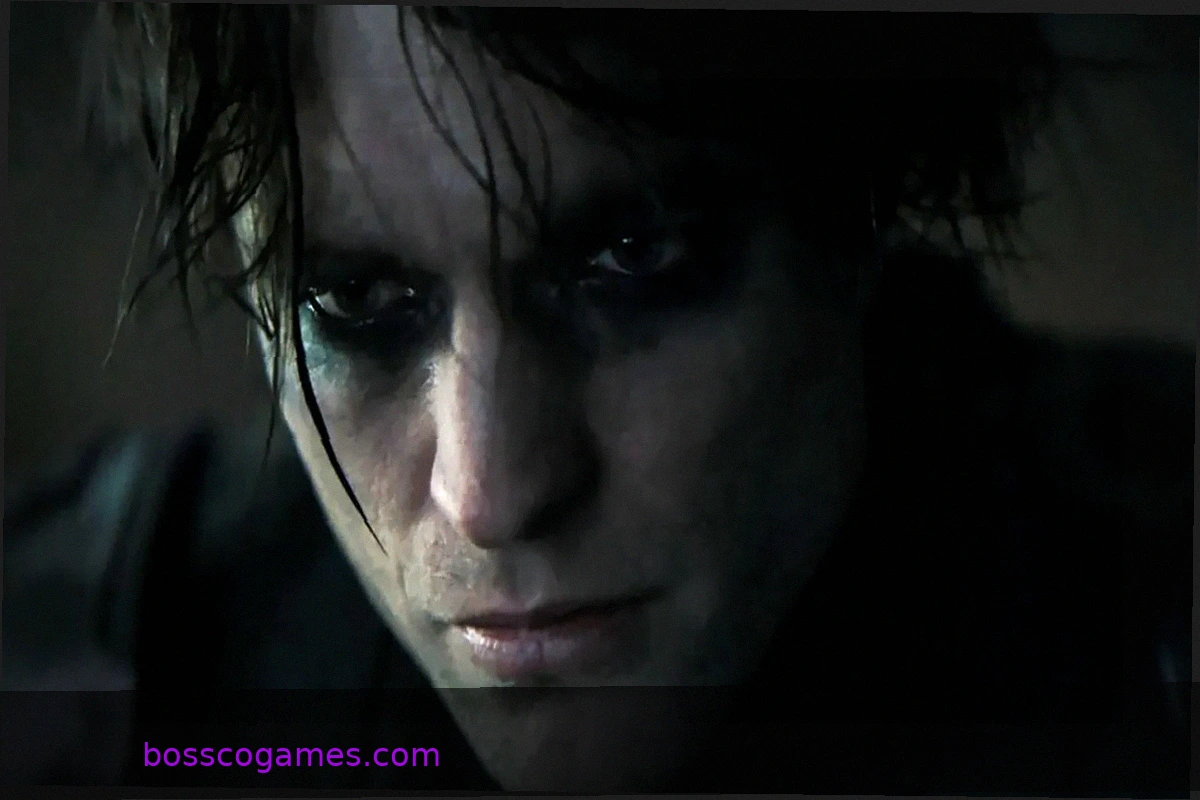
The Batman: Part II Production Paused Amidst Family Matters
Robert Pattinson's Batman faces another setback, as production on The Batman: Part II has paused. Director Matt Reeves has temporarily stepped away from the project to attend to a family matter. The film's journey to the screen has been a long one. Six years after the first ins
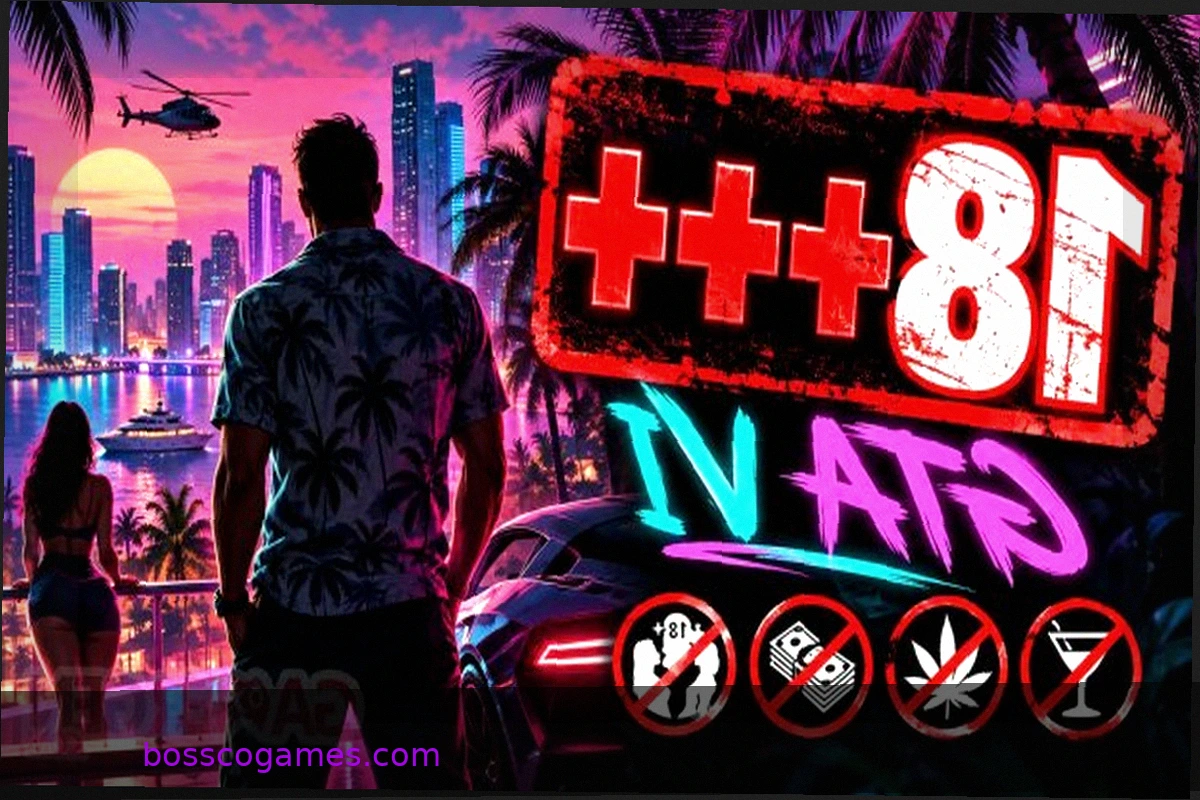
GTA VI: PEGI 18 rating briefly revealed raw details before removal
The PEGI 18 rating for GTA VI reportedly included a brief description of graphic violence, drug use, and sexual content before being removed from the European board's website. These details, cited by several media outlets, offer a glimpse into the adult-oriented content expected in the next Ro
Blade Runner 2099 Brings the (Near) Future to New York Comic Con
If you can't answer questions like whether you'd accept a calfskin wallet as a birthday gift or identify a wasp on your arm without hesitation, you might struggle in the world of Blade Runner 2099. Prime Video's new series, set in the universe of Ridley Scott's original 19

Robert Pattinson's 'The Interview' Anti-Hero: A Star-Making Performance
Robert Pattinson's portrayal of Chris Hansen in The Interview feels almost unnervingly fitting. One might imagine the real Hansen finding a strange satisfaction in being depicted by a Batman actor. Pattinson fully embraces the role, delivering the kind of dramatic close-ups that mid-2