Meta Delays Smart Glasses Launch in Europe Due to Battery Regulations, AI Limitations, and Production Issues
Meta's new smart glasses, developed in collaboration with EssilorLuxottica under the Ray-Ban brand, are facing significant hurdles for their European debut. These advanced devices, featuring integrated AI and displays, are currently available only in the United States, with the European launch postponed. The delay stems from three main issues: supply chain challenges, stringent regulations, and technical constraints. Firstly, Meta lacks sufficient production capacity to meet global demand. Secondly, European regulations, particularly concerning batteries, pose a substantial obstacle. By 2027, all devices sold in the EU must incorporate removable batteries, a requirement that significantly complicates product design.
Europe Also Curbs Meta's Smart Glasses with AI Restrictions
Another key concern involves the AI functionalities. European AI regulations could restrict some of the glasses' core features, which are considered crucial for the user experience. The company's leadership is hesitant to launch the product in Europe with reduced capabilities, preferring to wait for more favorable conditions. This situation is not unique; Apple has also had to delay or modify the release of certain software features in Europe to comply with local laws. This demonstrates how the European market, while strategic, presents increasingly complex regulatory challenges for major tech companies.
Ambition and Production: Will Meta Still Target the European Market?
Despite these challenges, Meta continues to invest heavily in wearable devices, considering them a key component of its AI strategy. The company recently reallocated resources from the metaverse to this segment, focusing on a new generation of smart products. Ambitions remain high: Meta and EssilorLuxottica are exploring significant increases in production capacity by 2026. Furthermore, collaborations with other brands, including Oakley and Prada, are underway to expand the product offering and target various market segments. The future of smart glasses appears promising, but their success in Europe will depend on balancing technological innovation with regulatory compliance.
Fresh materials — Gaming News
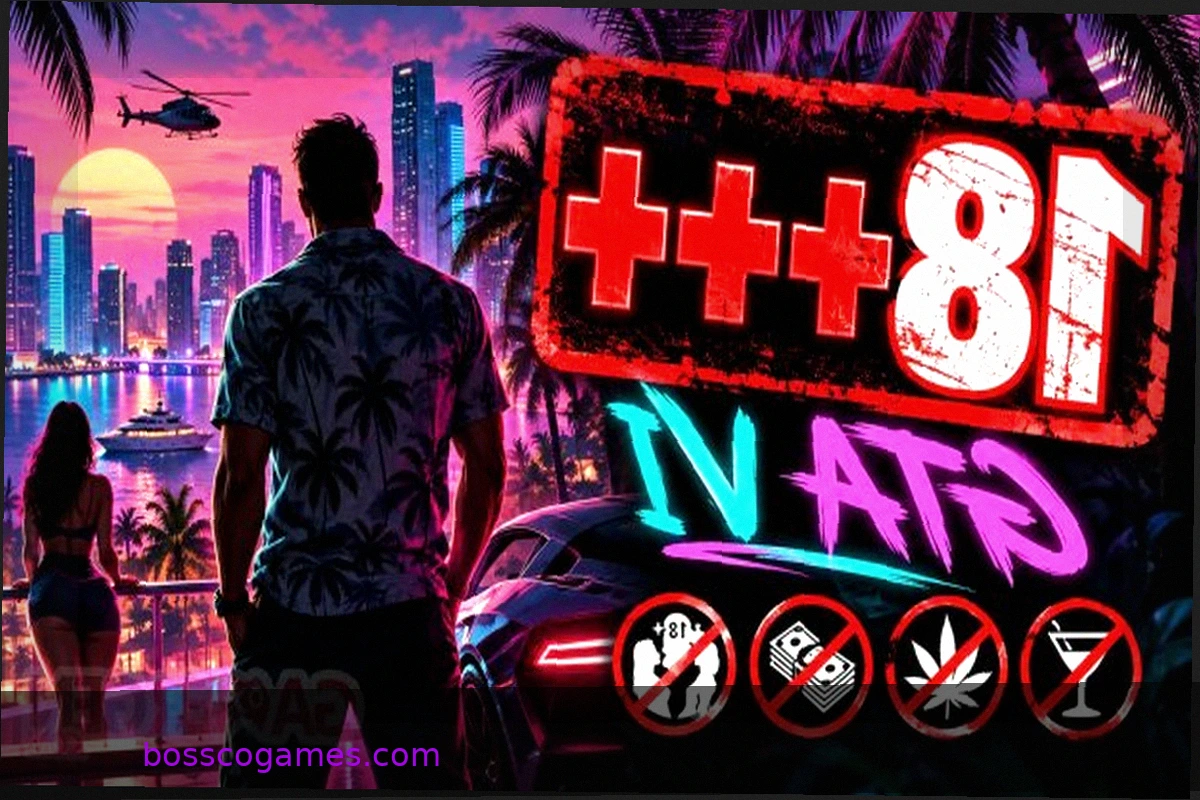
GTA VI: PEGI 18 rating briefly revealed raw details before removal
The PEGI 18 rating for GTA VI reportedly included a brief description of graphic violence, drug use, and sexual content before being removed from the European board's website. These details, cited by several media outlets, offer a glimpse into the adult-oriented content expected in the next Ro

Blade Runner 2099 Brings the (Near) Future to New York Comic Con
If you can't answer questions like whether you'd accept a calfskin wallet as a birthday gift or identify a wasp on your arm without hesitation, you might struggle in the world of Blade Runner 2099. Prime Video's new series, set in the universe of Ridley Scott's original 19

Robert Pattinson's 'The Interview' Anti-Hero: A Star-Making Performance
Robert Pattinson's portrayal of Chris Hansen in The Interview feels almost unnervingly fitting. One might imagine the real Hansen finding a strange satisfaction in being depicted by a Batman actor. Pattinson fully embraces the role, delivering the kind of dramatic close-ups that mid-2

Star Trek: Strange New Worlds Season 4 Episode 8 Review – Orders of Magnitude
Joe Morton delivers an excellent, delightfully unhinged guest turn as Admiral Simon Reeger, a legendary Klingon War-era Starfleet captain who immediately dazzles half the crew and whom anyone watching at home likely realized we couldn't exactly trust. He boards while Captain Pike is of
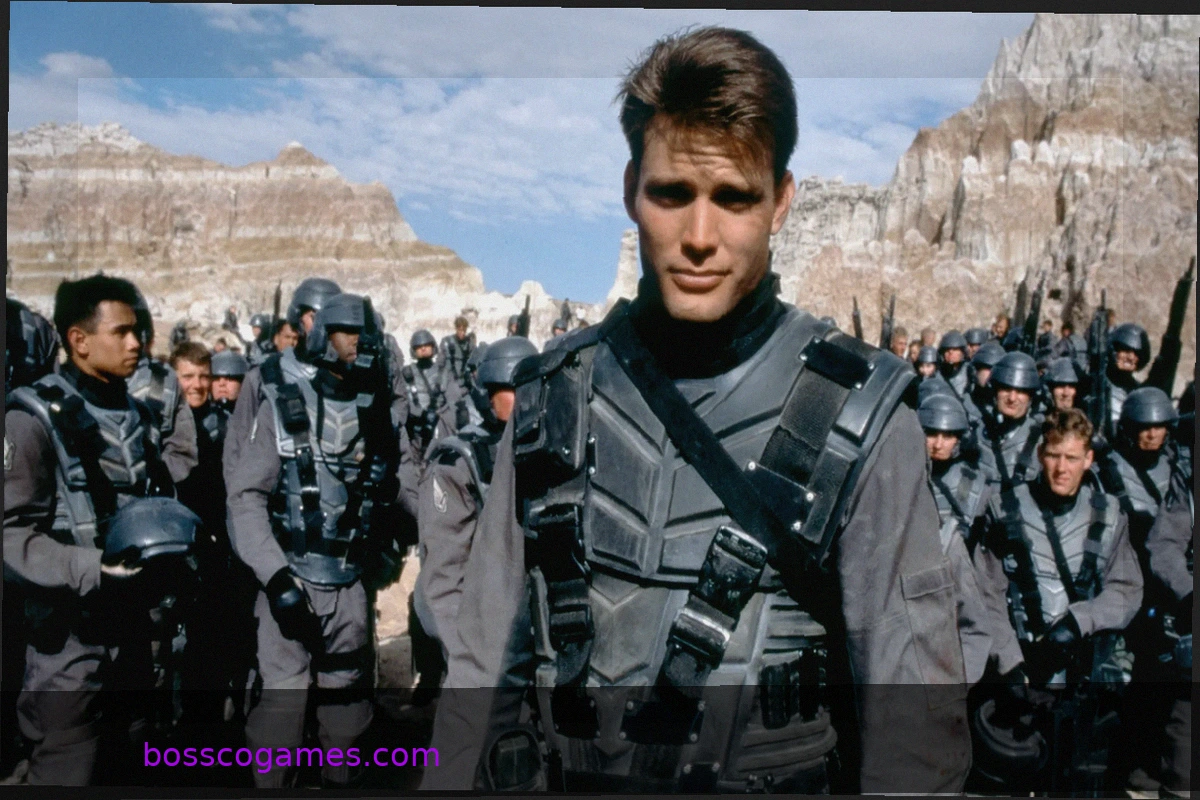
Is the Nazi Metaphor in Starship Troopers Really That Hard to Grasp?
For those unfamiliar with the nuances of the increasingly niche Gen X and millennial pop culture, Starship Troopers was a 1997 film adaptation (and some might argue, an utter betrayal) of Robert A. Heinlein's 1959 science fiction novel of the same name. Directed by Dutch provocateur and cynic Paul
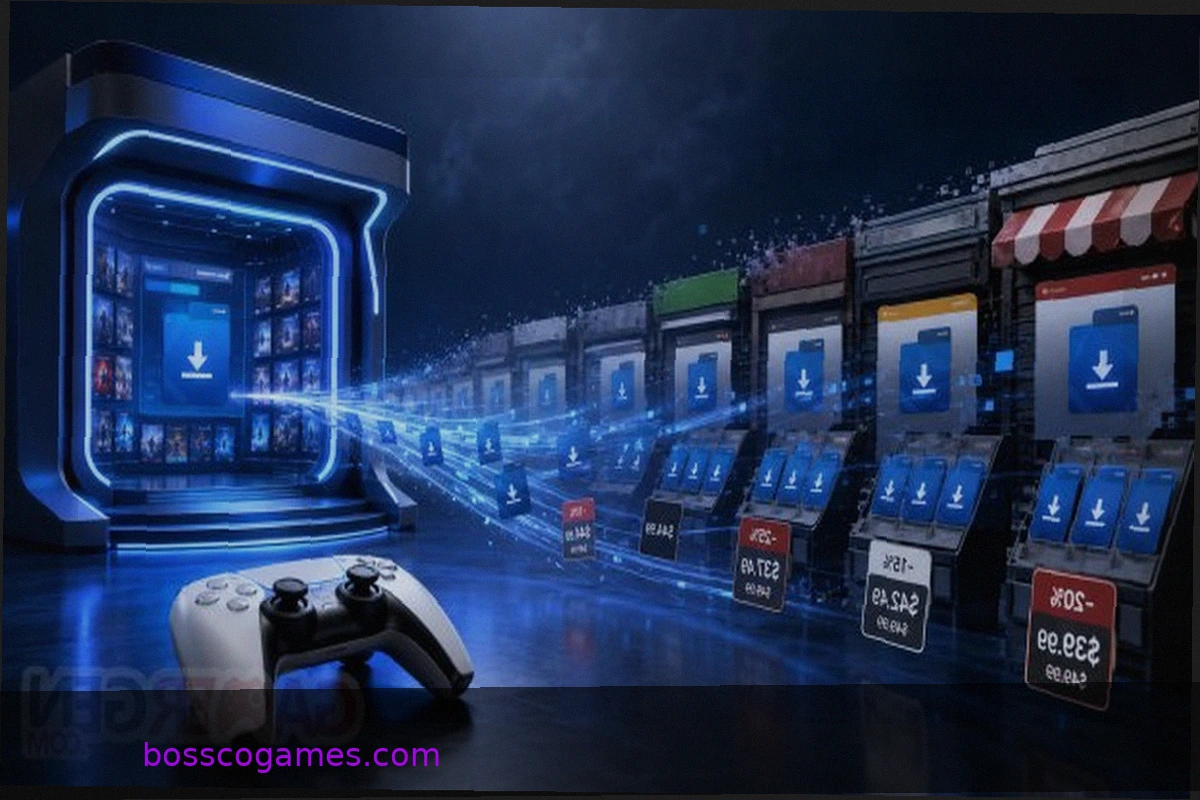
PlayStation Store Lawsuit: Sony Agrees to $7.85 Million Settlement, But Why?
The case dates back to 2019. Until then, retailers like Amazon, Best Buy, GameStop, Target, and Walmart could sell codes for downloading specific games on the PlayStation Store. These resellers were free to offer promotions on these codes, directly competing with Sony Interactive Entertainment