Electronic Waste Collection in Italy Shows Promising Growth, Despite Persistent Regional Imbalances
The management of waste from electrical and electronic equipment (WEEE) in Italy is once again showing positive signs. Recent data indicates a recovery in collection rates, though significant territorial disparities persist, keeping the country short of its European targets.
This picture emerges from the annual report by the RAEE Coordination Center, which paints a system improving quantitatively but remaining inconsistent in its geographical distribution and overall collection efficiency.
RAEE Data for 2025
In 2025, a total of 366,891 tonnes of household WEEE were collected, representing a 2.4% increase over the previous year. The per capita figure also rose, reaching 6.22 kg per inhabitant. This growth was primarily driven by large household appliances and small electronic devices, which saw increases of 5.4% and 5.1% respectively. The refrigeration and climate control sector also grew, while light sources declined, and TVs and monitors saw a more marked decrease, still influenced by the progressive saturation of technological replacement cycles.
From a geographical standpoint, Northern Italy remains the top-performing area, with 192,952 tonnes collected and an average of 7.02 kg per inhabitant. Central Italy exceeded the national average with 6.61 kg per inhabitant, while the South lagged behind with 4.76 kg, despite overall stable volumes. A regional comparison reveals a generally positive trend, with fifteen regions experiencing growth. Among these, Molise, Abruzzo, Puglia, Lazio, and Sardinia stood out with increases above the national average. Basilicata and Sicily, however, saw declines.
The differences become clearer when examining per capita data. Some regions are approaching European targets, such as Aosta Valley and Sardinia, both exceeding 10 kg per inhabitant, followed by Tuscany and Liguria. Conversely, areas with very low levels persist, including Campania, which remained below 3 kg per inhabitant, highlighting structural criticalities in its collection system.
An analysis by waste type also reveals some local excellences. Sardinia leads in per capita collection for large household appliances and refrigeration systems, while the Aosta Valley excels in small electronic devices. Basilicata and Trentino-Alto Adige stand out for TVs and monitors, and light sources, respectively.
Collection primarily occurs through municipal collection centers, which account for over 76% of deliveries. Retail outlets contribute approximately 23%, thanks to 'one-for-one' and 'one-for-zero' take-back mechanisms. Economically, the system distributed over 30 million euros in incentives to collection managers. Lombardy led in total value, while Liguria, Tuscany, and Emilia-Romagna distinguished themselves in average contribution per tonne.
The data confirms that the system is still far from full national uniformity. Strengthening the collection network and greater coordination among institutions and operators remain crucial elements to bridge existing gaps and improve overall efficiency. "The RAEE Coordination Center, along with Collective Schemes and WEEE producers, is constantly engaged in initiatives aimed at increasing, improving, and making collection more efficient, aware of the strategic role it plays in the development of the circular economy," states Giuliano Maddalena, President of the RAEE Coordination Center. "However, to achieve concrete and lasting results, a shared effort across the entire supply chain and continuous dialogue with institutions are essential."
This issue remains pertinent in light of European policies on the circular economy, which demand concrete acceleration in the coming years, complemented by new rules on the Right to Repair.
Fresh materials — Gaming News

GTA VI: PEGI 18 rating briefly revealed raw details before removal
The PEGI 18 rating for GTA VI reportedly included a brief description of graphic violence, drug use, and sexual content before being removed from the European board's website. These details, cited by several media outlets, offer a glimpse into the adult-oriented content expected in the next Ro
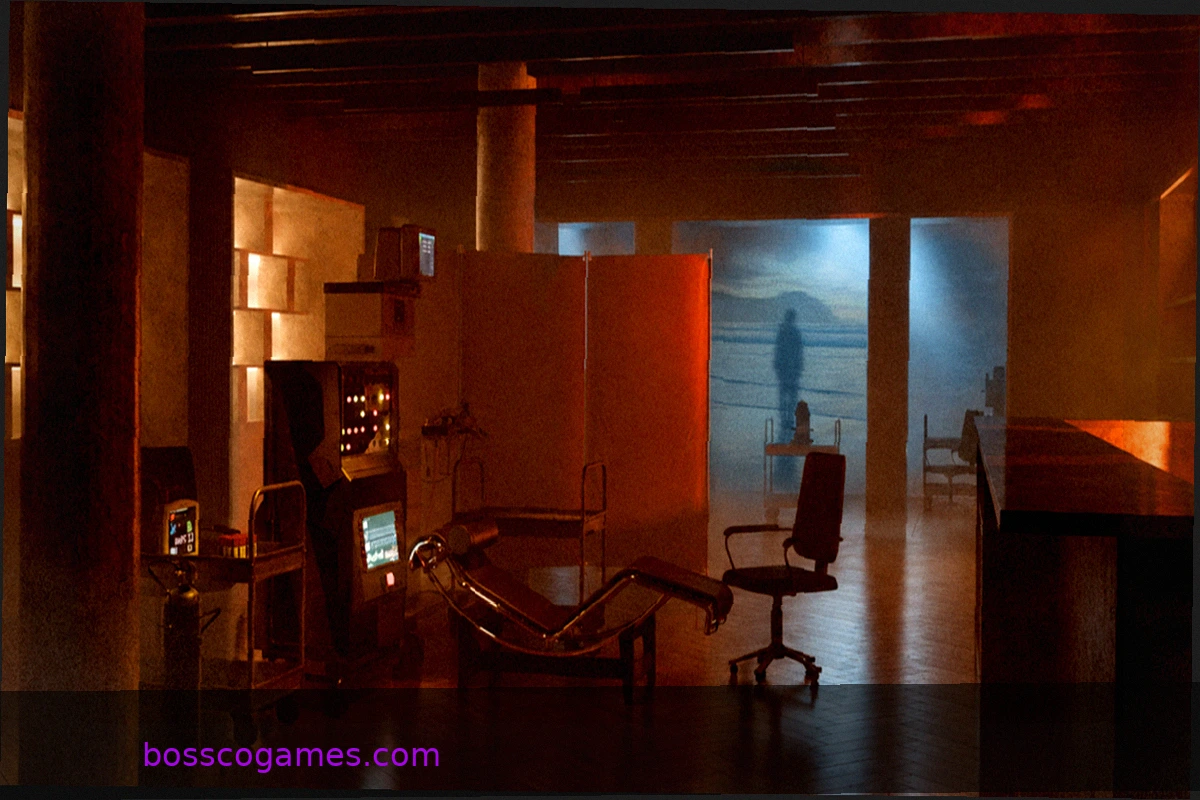
Blade Runner 2099 Brings the (Near) Future to New York Comic Con
If you can't answer questions like whether you'd accept a calfskin wallet as a birthday gift or identify a wasp on your arm without hesitation, you might struggle in the world of Blade Runner 2099. Prime Video's new series, set in the universe of Ridley Scott's original 19

Robert Pattinson's 'The Interview' Anti-Hero: A Star-Making Performance
Robert Pattinson's portrayal of Chris Hansen in The Interview feels almost unnervingly fitting. One might imagine the real Hansen finding a strange satisfaction in being depicted by a Batman actor. Pattinson fully embraces the role, delivering the kind of dramatic close-ups that mid-2

Star Trek: Strange New Worlds Season 4 Episode 8 Review – Orders of Magnitude
Joe Morton delivers an excellent, delightfully unhinged guest turn as Admiral Simon Reeger, a legendary Klingon War-era Starfleet captain who immediately dazzles half the crew and whom anyone watching at home likely realized we couldn't exactly trust. He boards while Captain Pike is of
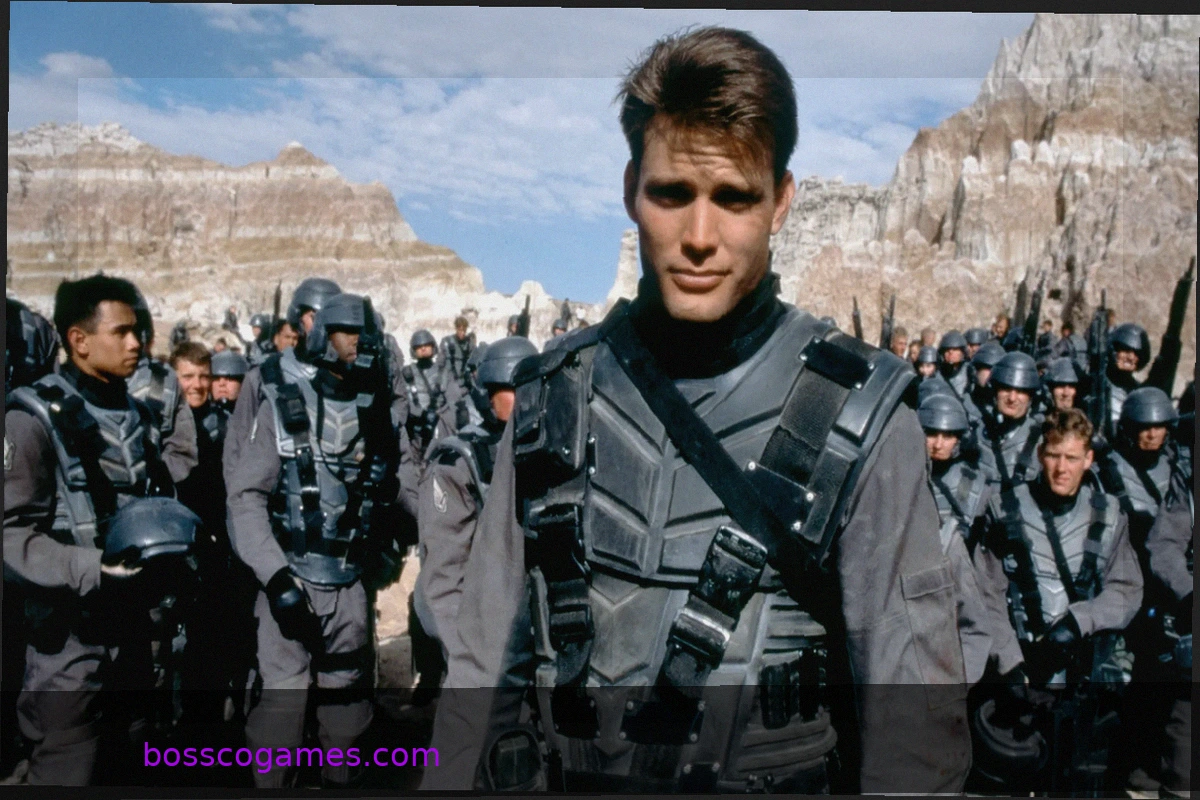
Is the Nazi Metaphor in Starship Troopers Really That Hard to Grasp?
For those unfamiliar with the nuances of the increasingly niche Gen X and millennial pop culture, Starship Troopers was a 1997 film adaptation (and some might argue, an utter betrayal) of Robert A. Heinlein's 1959 science fiction novel of the same name. Directed by Dutch provocateur and cynic Paul
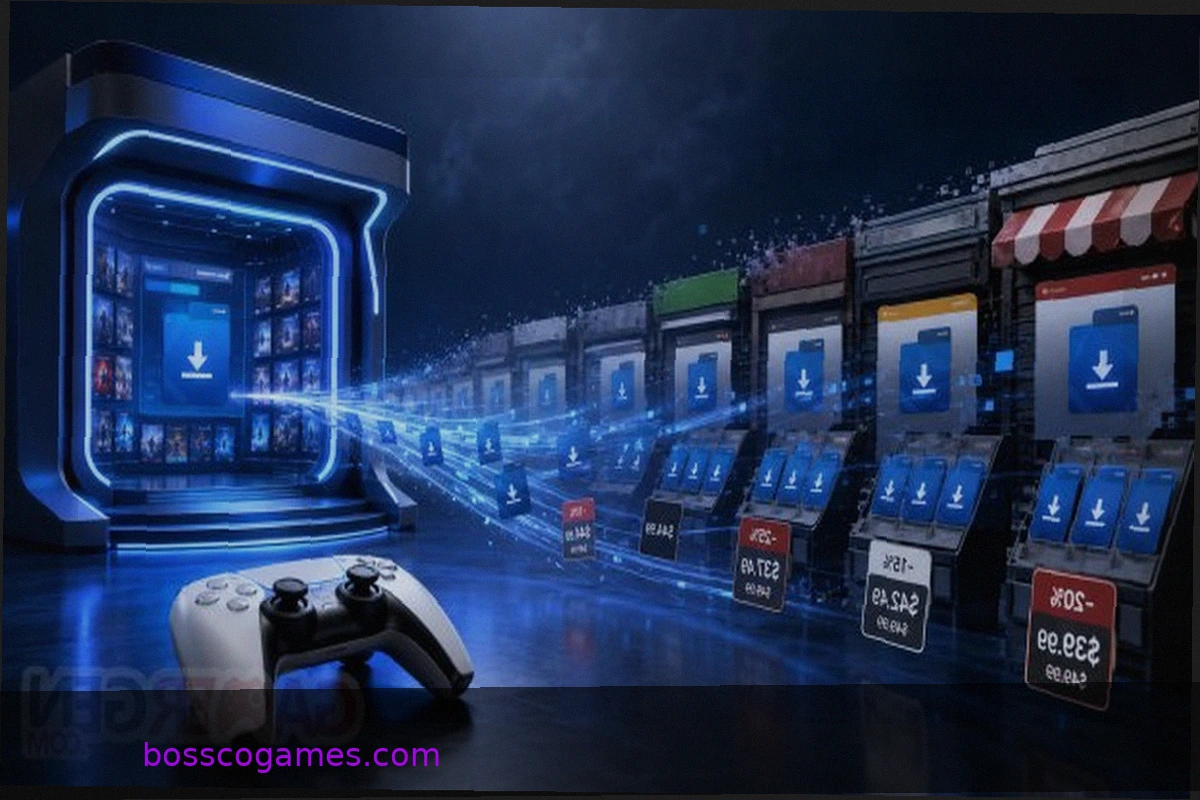
PlayStation Store Lawsuit: Sony Agrees to $7.85 Million Settlement, But Why?
The case dates back to 2019. Until then, retailers like Amazon, Best Buy, GameStop, Target, and Walmart could sell codes for downloading specific games on the PlayStation Store. These resellers were free to offer promotions on these codes, directly competing with Sony Interactive Entertainment