Apple Shifts OLED Supply Chain: Focus on South Korean Manufacturers for Future Devices
Apple is embarking on a significant transformation of its supply chain, particularly focusing on its OLED display procurement. The tech giant aims to reduce its dependency on Chinese suppliers, instead favoring partners considered more reliable and strategically secure.
Among the key players affected by this shift is BOE, historically a crucial supplier for OLED panels in Apple devices. However, its position has weakened considerably in recent months. The production line dedicated to Apple in Mianyang is projected to see a drastic decrease in utilization, dropping from over 80% in 2024 to less than 50% by early 2026.
Apple Partners with Samsung Display and LG Display for OLED Panels
Moving away from Chinese suppliers, Apple is strengthening its relationships with South Korean manufacturers like Samsung Display and LG Display. These companies are poised to become the primary suppliers for upcoming Apple devices, which will include a new generation of iPhones, such as advanced Pro models and potentially a foldable iPhone.
The adoption of OLED technology will also extend to other product categories, marking an important evolution for Apple's product lineup. Expected innovations include new MacBook Pro and iPad mini models featuring OLED screens, promising significant improvements in visual quality, contrast, and energy efficiency.
Apple's New Strategy: Embracing OLED Across its Product Range
This strategic move is part of a broader initiative to diversify manufacturing activities. In recent years, Apple has already begun shifting portions of its final assembly to countries like India and Vietnam, aiming to reduce its exposure to geopolitical and logistical risks associated with China.
The overarching goal is to construct a more resilient supply chain, capable of adapting to potential global disruptions and ensuring continuous production. In an increasingly competitive and complex industry, the ability to effectively manage supplies represents a fundamental strategic advantage.
Fresh materials — Gaming News

GTA VI: PEGI 18 rating briefly revealed raw details before removal
The PEGI 18 rating for GTA VI reportedly included a brief description of graphic violence, drug use, and sexual content before being removed from the European board's website. These details, cited by several media outlets, offer a glimpse into the adult-oriented content expected in the next Ro

Blade Runner 2099 Brings the (Near) Future to New York Comic Con
If you can't answer questions like whether you'd accept a calfskin wallet as a birthday gift or identify a wasp on your arm without hesitation, you might struggle in the world of Blade Runner 2099. Prime Video's new series, set in the universe of Ridley Scott's original 19

Robert Pattinson's 'The Interview' Anti-Hero: A Star-Making Performance
Robert Pattinson's portrayal of Chris Hansen in The Interview feels almost unnervingly fitting. One might imagine the real Hansen finding a strange satisfaction in being depicted by a Batman actor. Pattinson fully embraces the role, delivering the kind of dramatic close-ups that mid-2

Star Trek: Strange New Worlds Season 4 Episode 8 Review – Orders of Magnitude
Joe Morton delivers an excellent, delightfully unhinged guest turn as Admiral Simon Reeger, a legendary Klingon War-era Starfleet captain who immediately dazzles half the crew and whom anyone watching at home likely realized we couldn't exactly trust. He boards while Captain Pike is of
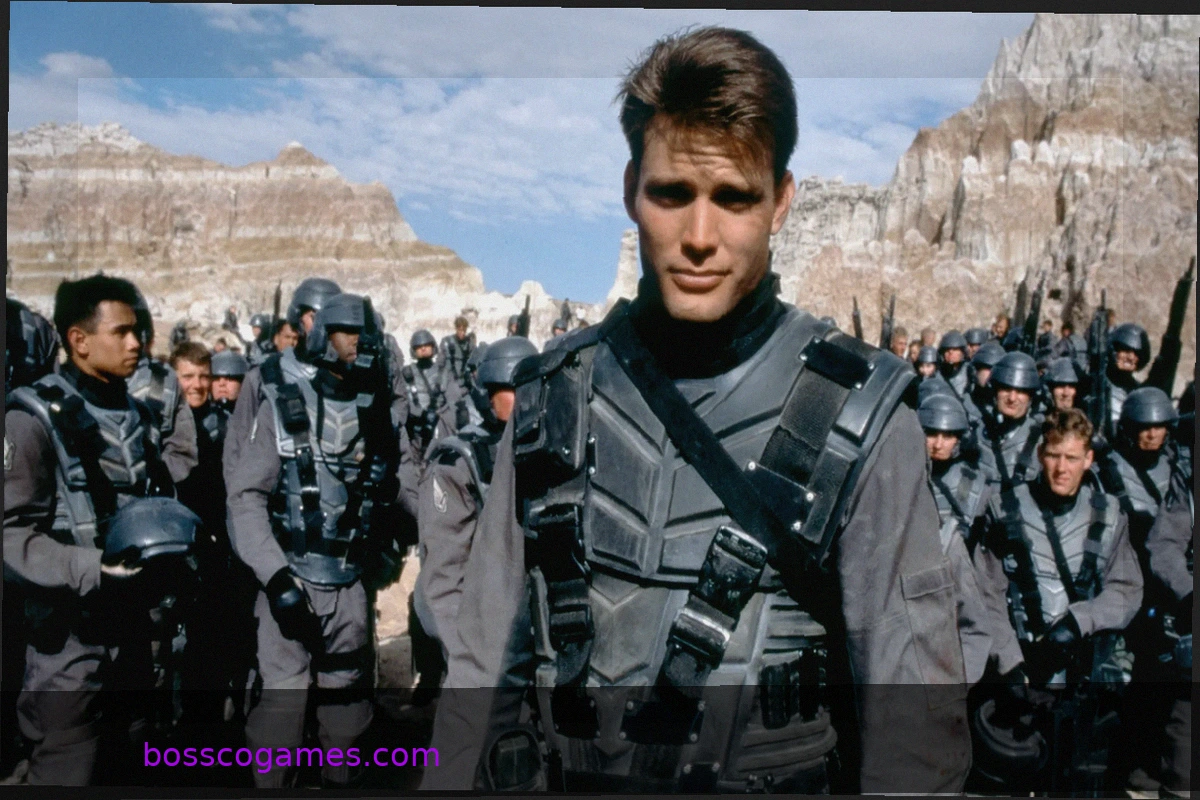
Is the Nazi Metaphor in Starship Troopers Really That Hard to Grasp?
For those unfamiliar with the nuances of the increasingly niche Gen X and millennial pop culture, Starship Troopers was a 1997 film adaptation (and some might argue, an utter betrayal) of Robert A. Heinlein's 1959 science fiction novel of the same name. Directed by Dutch provocateur and cynic Paul
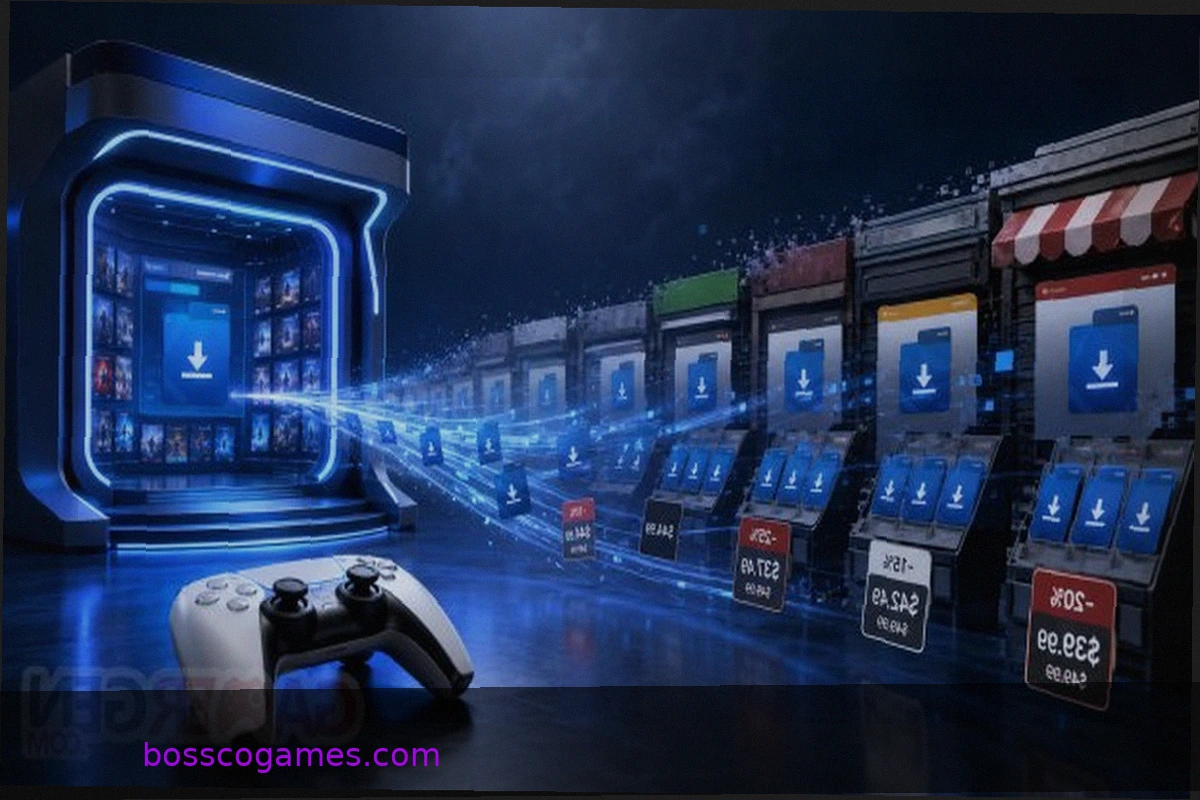
PlayStation Store Lawsuit: Sony Agrees to $7.85 Million Settlement, But Why?
The case dates back to 2019. Until then, retailers like Amazon, Best Buy, GameStop, Target, and Walmart could sell codes for downloading specific games on the PlayStation Store. These resellers were free to offer promotions on these codes, directly competing with Sony Interactive Entertainment