

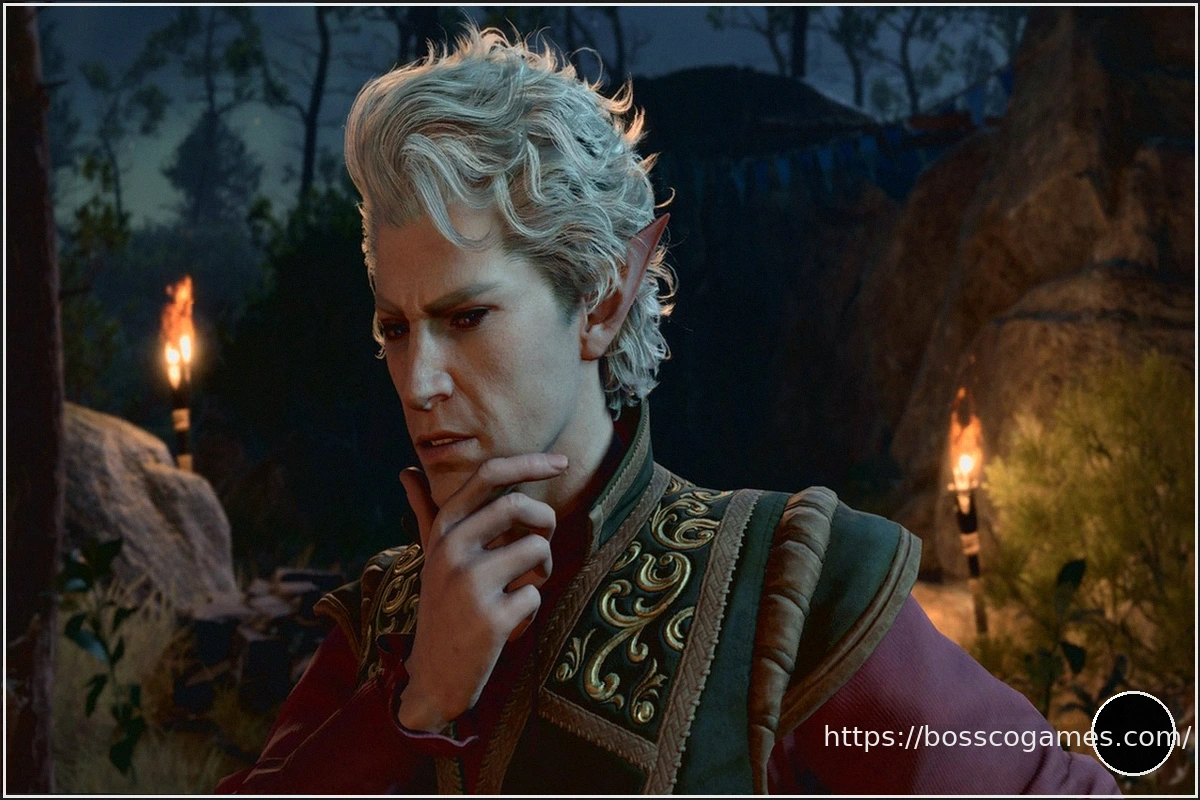
Have you ever experienced that peculiar sense of melancholy that washes over you after completing a video game that truly moved you and kept you glued to the screen? A recent scientific study confirms that this is a tangible phenomenon, officially termed ‘post-game depression.’
According to research highlighted by New Medical Life Sciences, this condition is described as “a sense of emptiness that emerges after completing a deeply immersive game,” manifesting as feelings of “loss, void, or sadness.” While this emotional state has long been discussed among players, particularly on social media, scientific studies exploring it have been scarce until now.
Causes of Post-Game Depression
The study, published in the January issue of Current Psychology, involved 373 participants across two distinct surveys. Researchers investigated four key dimensions of the phenomenon: game-related ruminations, difficulty accepting the conclusion of the experience, the urge to replay the title, and medial anhedonia—the inability to find pleasure in activities that are usually gratifying.
The authors suggest that this phenomenon is most pronounced when the gaming experience is perceived as truly unique. This includes games that push the boundaries of their genre or titles featuring rich stories and characters that foster profound emotional involvement. Many participants recounted feeling that the ending was too sudden, while others struggled to accept that the adventure had truly concluded. This was often coupled with the realization that the magic of the first playthrough could never be fully recaptured, and that the game would no longer evoke the same level of tension, joy, or sadness.
These intense emotions, researchers explain, could “last for days or even weeks, culminating in a form of medial anhedonia: no other video game or form of entertainment seemed capable of filling that void.”
RPGs Most Susceptible, With Soulslikes and Survival Horrors Also Affected
According to the study, Role-Playing Games (RPGs) are the genre most likely to trigger post-game depression. The reasoning is quite intuitive: these are typically long experiences, rich with complex characters, intricate relationships, and expansive narrative worlds that encourage deep emotional attachment, especially when supported by high-quality writing.
The study observed “positive correlations between the intensity of post-game depression and more pronounced depressive symptoms, a tendency towards rumination, difficulties in emotional processing, and lower overall well-being. Furthermore, it emerged that role-playing games tend to generate stronger post-game depression compared to other genres.”
However, other genres can also elicit this phenomenon. Soulslike games, for instance, add frustration, significant challenge, and a powerful sense of final accomplishment to the mix. “Some titles evoke deep emotions such as contemplation, sadness, or existential reflections. Others focus on fear, through mechanics and narratives typical of survival horror. And the soulslike genre introduces frustration and challenge, transforming gameplay into a demanding experience that ultimately delivers a strong sense of competence and achievement.”