

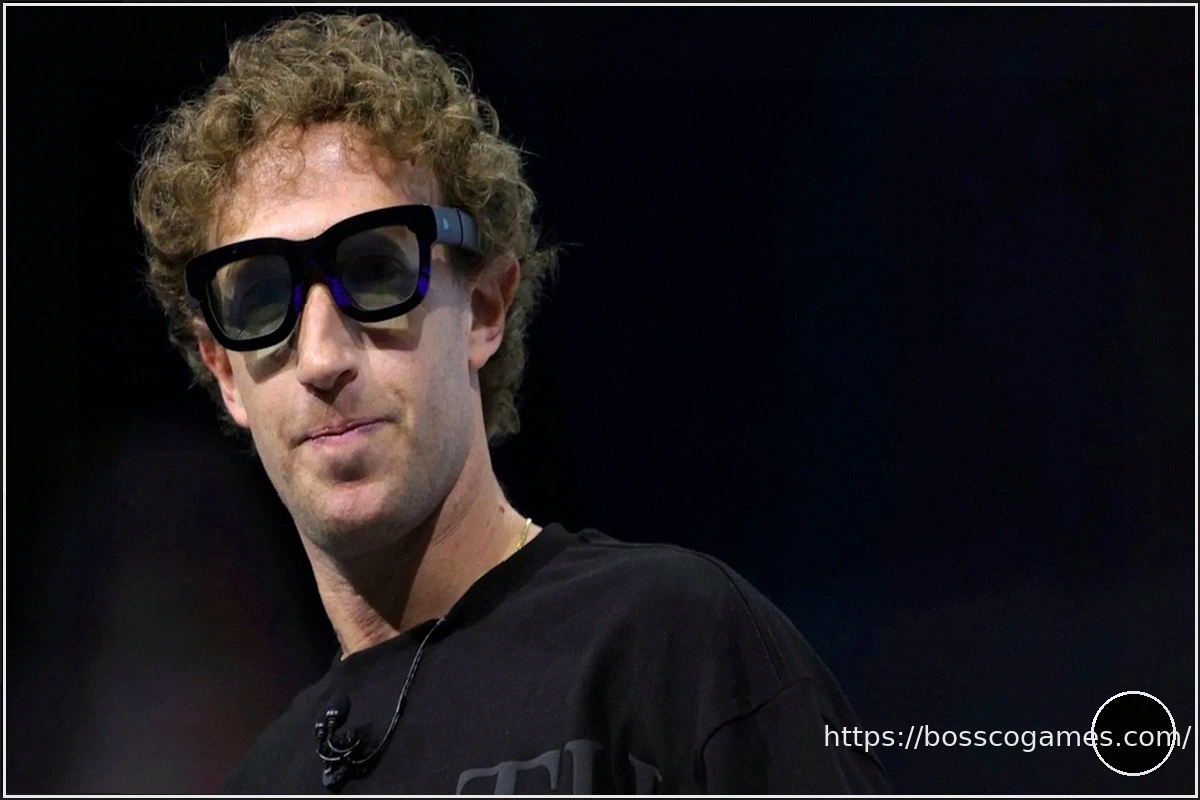
Meta’s new smart glasses, developed in collaboration with EssilorLuxottica under the Ray-Ban brand, are facing significant hurdles for their European debut. These advanced devices, featuring integrated AI and displays, are currently available only in the United States, with the European launch postponed. The delay stems from three main issues: supply chain challenges, stringent regulations, and technical constraints. Firstly, Meta lacks sufficient production capacity to meet global demand. Secondly, European regulations, particularly concerning batteries, pose a substantial obstacle. By 2027, all devices sold in the EU must incorporate removable batteries, a requirement that significantly complicates product design.
Europe Also Curbs Meta’s Smart Glasses with AI Restrictions
Another key concern involves the AI functionalities. European AI regulations could restrict some of the glasses’ core features, which are considered crucial for the user experience. The company’s leadership is hesitant to launch the product in Europe with reduced capabilities, preferring to wait for more favorable conditions. This situation is not unique; Apple has also had to delay or modify the release of certain software features in Europe to comply with local laws. This demonstrates how the European market, while strategic, presents increasingly complex regulatory challenges for major tech companies.
Ambition and Production: Will Meta Still Target the European Market?
Despite these challenges, Meta continues to invest heavily in wearable devices, considering them a key component of its AI strategy. The company recently reallocated resources from the metaverse to this segment, focusing on a new generation of smart products. Ambitions remain high: Meta and EssilorLuxottica are exploring significant increases in production capacity by 2026. Furthermore, collaborations with other brands, including Oakley and Prada, are underway to expand the product offering and target various market segments. The future of smart glasses appears promising, but their success in Europe will depend on balancing technological innovation with regulatory compliance.