

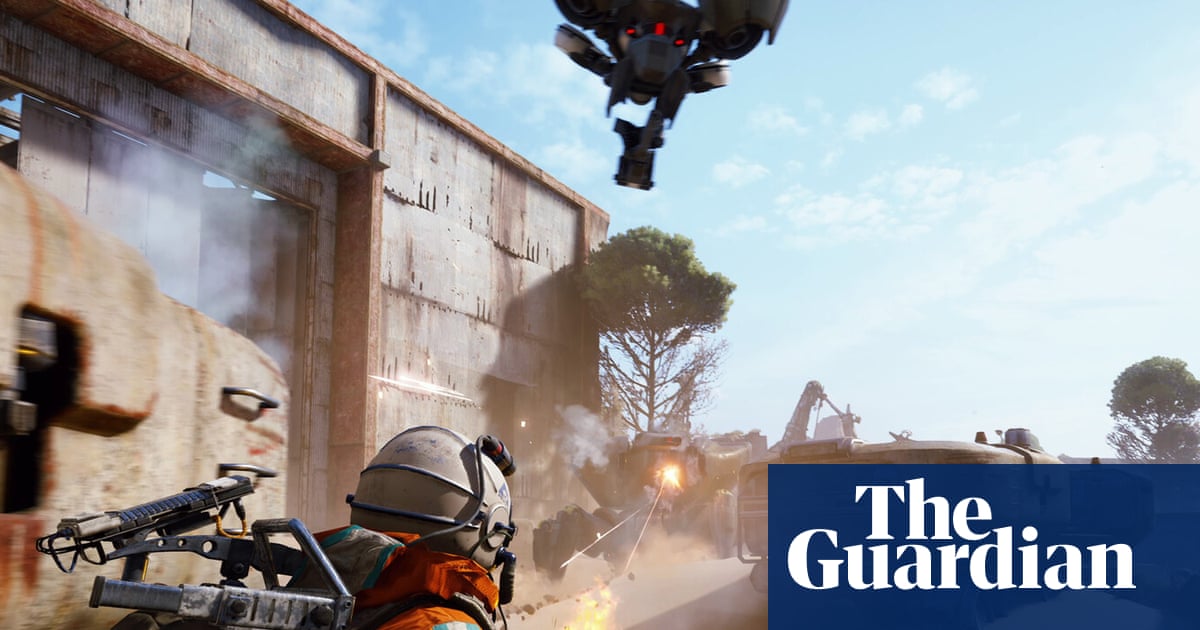
I have genuinely enjoyed my time with Arc Raiders more than any other game this year. It offers the most exciting and unpredictable multiplayer experience I`ve encountered since Sea of Thieves in 2018. It’s fair to say I deeply appreciate Arc Raiders. However, fully embracing these positive feelings has become difficult following revelations about Embark Studios’ implementation of generative AI.
The AI Voice Controversy
Embark Studios disclosed that the game`s voice acting was initially performed by human actors. These recordings were then used to “train” an AI system, allowing it to generate new dialogue in the original actors` voices to cover any future scenarios. This method eliminates the need for the development team to recall voice actors every time new content is introduced to the game. According to the studio, the original actors consented to this likeness usage upon hiring.
This practice should perhaps not be surprising, as Embark`s previous title, The Finals, used generative AI similarly. While Embark assures players that all visual artwork in Arc Raiders is human-made, they confirm that this text-to-speech training is used for voices in the shop NPCs, character emotes, and other minor character barks. Knowing this has left me deeply conflicted when considering the game`s undeniable quality.

The Executive Agenda vs. Ethical Concerns
I cannot deny how compelling Arc Raiders is—its emergent, player-driven drama is spectacular. Yet, while I stand by my positive review, I feel a responsibility to critique this disappointing industry practice. Similar plans and implementations are emerging across the industry, often championed by high-level executives who view AI primarily as an opportunity to reduce costs and development time. It is increasingly presented as not merely helpful, but inevitable.
But is it truly inevitable? It seems most advocates for this technology are C-suite figures heavily invested in its ability to cut time and money. However, much of what generative AI produces is, frankly, problematic.
Generative AI, in many contexts, functions as a glorified guessing machine, constructing sentences based on statistical likelihood rather than factual accuracy. As a creative tool, it is often a monumental plagiarizer, remixing vast quantities of human-created work into derivative content. While AI imagery is becoming more convincing, leading some to argue for its utility as a `brainstorming speedrun` tool, these caveats fail to address the fundamental ethical consideration: Our humanity matters.
Art and Authentic Perspective
Art is a profound gift unique to human consciousness. I see no valid argument for using generative AI that outweighs this truth. This is why Arc Raiders’ choice is so disheartening; one of the year`s best games carries this heavy asterisk. The voice actors involved, despite their presumed consent, have inadvertently harmed themselves and their peers by signing away their likenesses.
Voice acting is an art form that demands authentic emotion. AI bots are merely faking it, regardless of how technically proficient they become. Advocates for AI overlook that the act of creation itself is vital; it instills life and perspective into the project. Generative AI cannot create art because it is made with a prompt, not a perspective.
The Dystopian Economic Cost
Beyond the abstract value of human art, there is a serious practical argument against unchecked AI adoption: the risk of replacement. The more we use generative AI, the faster we train it to replace us as creators and workers. As tech executives preemptively outmaneuver regulators, we accelerate toward a future where immense wealth is concentrated among a highly exclusive few, while working people are systematically displaced across industries.
Every time we feed this technological beast, we become architects of that dystopia. This issue extends far beyond Arc Raiders and the gaming world; it is a problem poised to worsen globally. It is crucial not to lose sight of this broader truth.
A Call for Accountability
Arc Raiders demonstrates that using generative AI doesn`t necessarily ruin a game, but neither has it demonstrably improved it creatively. While some tout workflow advantages, the final artistic product doesn`t feel superior because of the AI. Is the cost truly worth it?
We have reached an inflection point. We can normalize generative AI, accepting its infiltration into games, television, and literature as inevitable, or we can begin asking essential questions: Why are you using this technology? What specific problems does it solve? What new problems does it create? Who truly benefits, and who is left behind?
The controversy surrounding Arc Raiders acts as a lightning rod for this discussion. It has made my personal Game of the Year selection feel awkward and deeply uncomfortable. If executives are willing to thoughtlessly trade creative spirit for a percentage boost to their bottom line, we must challenge them relentlessly to justify that decision.