

Apple is embarking on a significant transformation of its supply chain, particularly focusing on its OLED display procurement. The tech giant aims to reduce its dependency on Chinese suppliers, instead favoring partners considered more reliable and strategically secure.
Among the key players affected by this shift is BOE, historically a crucial supplier for OLED panels in Apple devices. However, its position has weakened considerably in recent months. The production line dedicated to Apple in Mianyang is projected to see a drastic decrease in utilization, dropping from over 80% in 2024 to less than 50% by early 2026.
Apple Partners with Samsung Display and LG Display for OLED Panels
Moving away from Chinese suppliers, Apple is strengthening its relationships with South Korean manufacturers like Samsung Display and LG Display. These companies are poised to become the primary suppliers for upcoming Apple devices, which will include a new generation of iPhones, such as advanced Pro models and potentially a foldable iPhone.
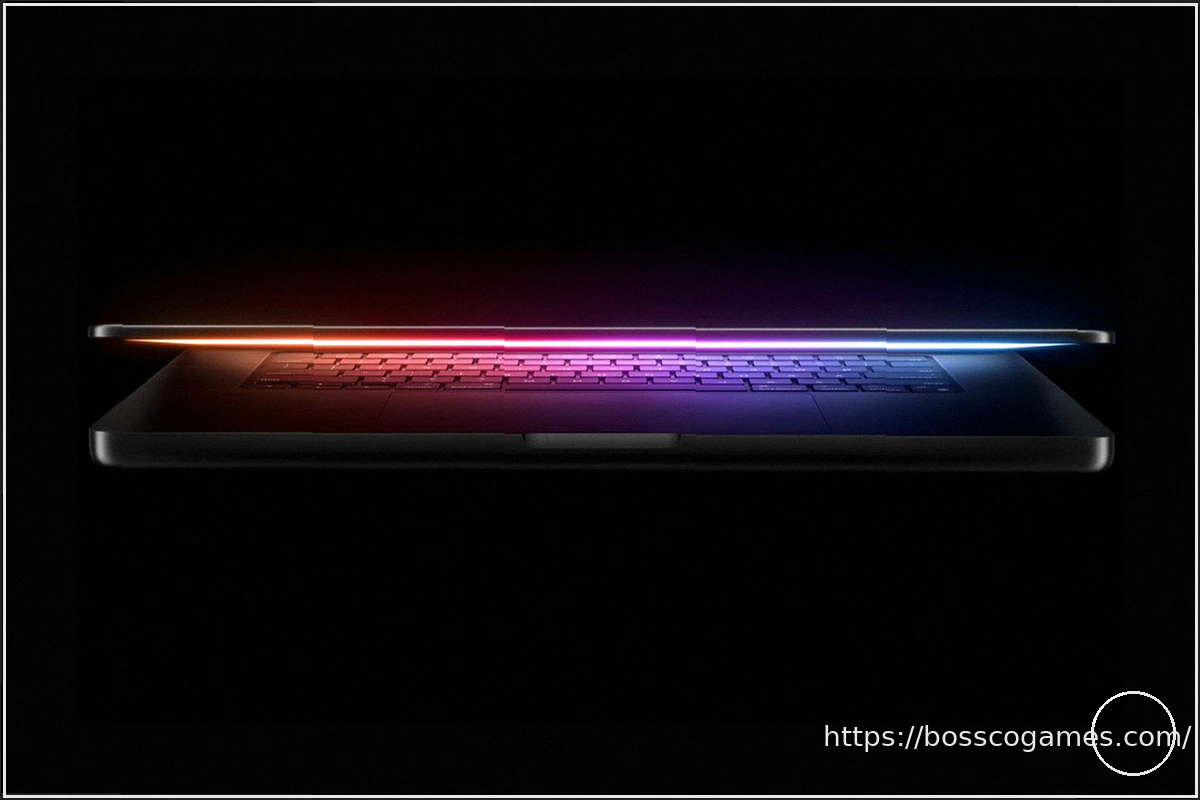
The adoption of OLED technology will also extend to other product categories, marking an important evolution for Apple’s product lineup. Expected innovations include new MacBook Pro and iPad mini models featuring OLED screens, promising significant improvements in visual quality, contrast, and energy efficiency.
Apple’s New Strategy: Embracing OLED Across its Product Range
This strategic move is part of a broader initiative to diversify manufacturing activities. In recent years, Apple has already begun shifting portions of its final assembly to countries like India and Vietnam, aiming to reduce its exposure to geopolitical and logistical risks associated with China.
The overarching goal is to construct a more resilient supply chain, capable of adapting to potential global disruptions and ensuring continuous production. In an increasingly competitive and complex industry, the ability to effectively manage supplies represents a fundamental strategic advantage.